
Yes, people live in Greenland. Statistics Greenland counted 56,853 people on 1 October 2026, living in towns and settlements on the coast, with over 65 per cent in the five largest towns. Nuuk is the capital, Greenland is a self-governing part of the Kingdom of Denmark, and Visit Greenland says Erik the Red gave it its name to attract settlers.
Do people live in Greenland?
Statistics Greenland counted 56,853 people living in Greenland on 1 October 2026, 92 fewer than on 1 July and 154 more than a year earlier. Statistics Greenland called the population on 1 July 2026 a record high for the middle of the year.
Greenland's people live in towns and settlements on the coast, and over 65 per cent live in the five largest towns: Nuuk, Sisimiut, Ilulissat, Aasiaat and Qaqortoq. For the last 50 years people have been moving from outer districts to the towns, mainly to Nuuk. Around 700 people are born in Greenland each year and 500 die. Men live to 69.3 years on average and women to 73.9.
Nuuk is the capital of Greenland and its biggest city, located on the south-west coast. Visit Greenland notes that Nuuk has fewer than 20,000 people, and its facts article states that almost a quarter of Greenland's population lives there.
Who Greenlanders are and what they speak
Visit Greenland says 88% of the population are Inuit (mostly Kalaallit, meaning Greenlander in Kalaallisut) or mixed Danish and Inuit, and the other 12% are of European descent, mainly Danish. Greenlanders do not like being called Eskimos; the proper names are Inuit or Kalaallit.
Most people speak both Greenlandic (mainly Kalaallisut) and Danish, and both have been used in public affairs since home rule in 1979. Young people learn Greenlandic, Danish and English at school. Kayak and igloo are Greenlandic words taken directly into other languages.
Why it is called Greenland
Visit Greenland credits Erik the Red, who lived from about 950 to 1003, with giving Greenland its name more than 1,000 years ago. According to the sagas, as retold by Visit Greenland, Erik was sentenced in 982 to three years' exile from Iceland for murder.
He sailed west, found fjords and green valleys, and went back to Iceland to talk up "the green land". In 985 he led 25 ships with around 500 men and women to Greenland; 14 of the ships arrived. Erik set up his chieftain's seat at Brattahlíð, now Qassiarsuk in south Greenland, while others settled further north near Nuuk.
Visit Greenland's facts article states that Erik called the island Greenland in the hope that the name would attract settlers. The same article notes that, according to scientists, Greenland was green more than 2.5 million years ago.
Is Greenland part of Denmark?
The Danish Prime Minister's Office says the Faroe Islands and Greenland are parts of the Danish realm and, because of their national, historical and geographical circumstances, have extensive self-government. Under the home rule and self-government arrangements, the Greenlandic authorities can decide to take over responsibility for a range of policy areas.
Visit Greenland calls Greenland an autonomous country within the Kingdom of Denmark. It is geographically part of North America but has been tied to Europe for about a thousand years. Denmark held colonies in Greenland from 1721, and Greenland was made part of Denmark in 1953. Denmark granted home rule in 1979, and expanded self-rule began in 2009, moving more decisions and responsibilities to the Greenlandic government. You can explore how these links fit into the wider region across the Nordics or read the rest of the site's Denmark coverage.
Size, the ice cap and no roads between towns
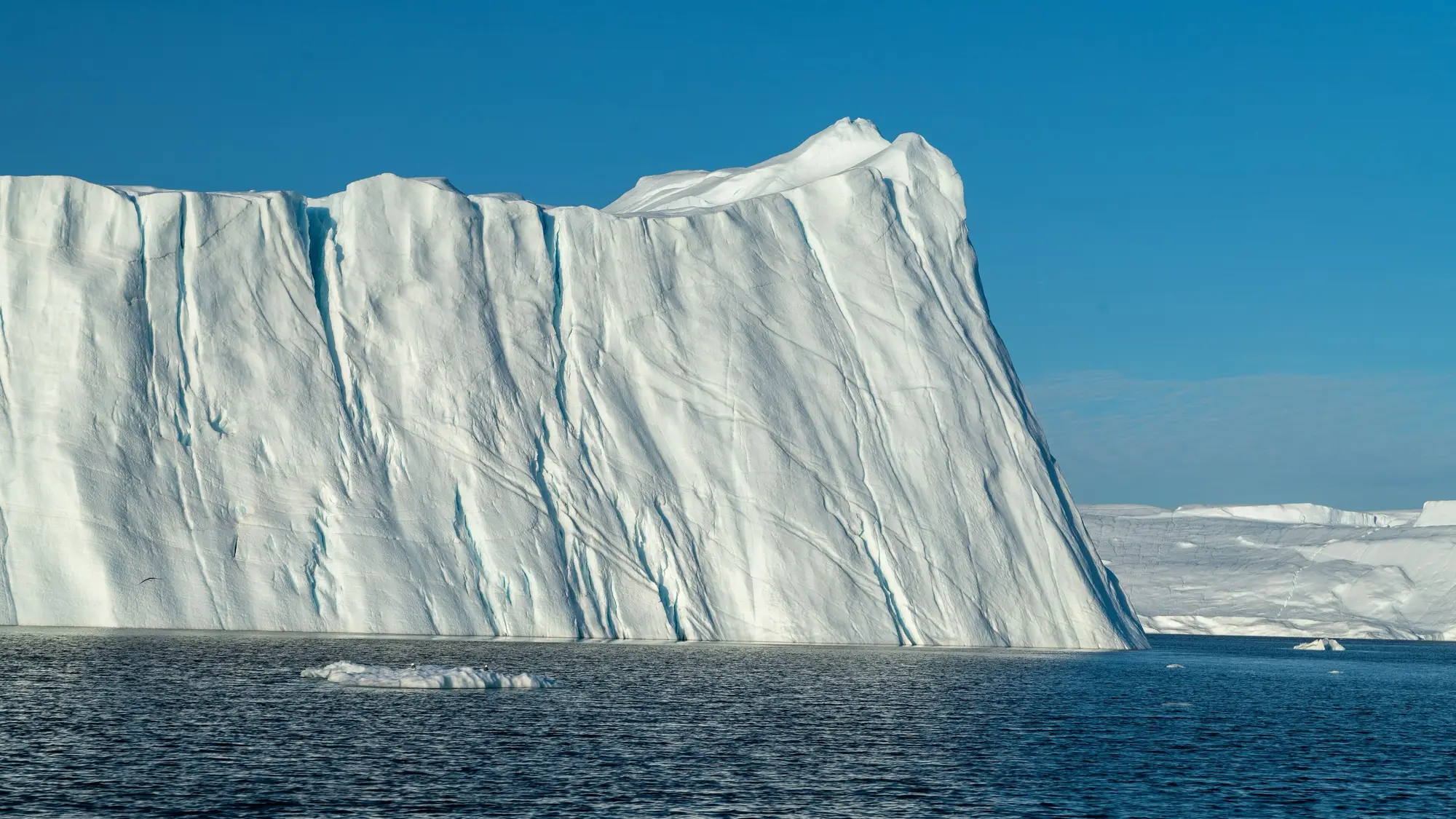
Visit Greenland calls Greenland the world's biggest island that is not a continent, with a total area of 2.16 million square kilometres (836,330 square miles) including offshore islands. Almost 80 per cent of the land is covered by an ice cap. The ice-free part is around the size of Sweden.
No road or railway links one settlement to another. Roads end at the edge of each town, and travel between towns is by plane, boat, helicopter, snowmobile or dog sled. Boats are the most popular way to get about. Air Greenland carries much of the passenger traffic in Dash 8-200 aircraft that seat up to 37 passengers.
4,500 years of people
Visit Greenland says people have lived in Greenland for more than 4,500 years. Historians think the first people arrived around 2500 BC; that group died out and was followed by others from North America.
Norse settlers from Iceland settled the empty south at the start of the 10th century and disappeared in the late 15th century. The Inuit arrived in the 13th century, and most Inuit Greenlanders are their direct descendants.
Facts a visitor needs
The currency is the Danish krone (DKK). Some souvenir shops take foreign notes, but Visit Greenland advises bringing cash in DKK, especially for small towns and settlements. There is no VAT in Greenland, but because most goods are shipped or flown in, prices are on a par with or a bit higher than northern Europe. All prices include tips; extra gratuity for good service is up to you.
Greenland is outside the Schengen agreement. Because of this, people who need a visa for Denmark need a separate permit for Greenland. If you do not need a visa for Denmark, you do not need one for Greenland. Check the details on how to visit Greenland for transport routes and entry conditions, including flights from Copenhagen where most flights to Greenland start.
When out in settlements, remember two rules of conduct. In north Greenland, sled dogs are working animals, not pets, and should never be approached. Always ask before photographing people and respect a no.