
Fact-checked against official Finnish sources on 4 November 2026.
Understanding Finland etiquette helps you avoid awkward moments and follow local customs and laws. Online videos often mix true habits with regulations that changed in 2024 and 2026. This guide sets out the practical customs and rules directly so you know what to expect.
Sauna: do you have to be naked?
The claim that you must always be naked in a Finnish sauna is half right. Finns typically go to the sauna nude, but a swimsuit or towel is fine and locals understand. Public saunas have signs saying whether they are for men, women or mixed (sekasauna, mixed sauna). You can check these notices outside before entering the facilities so you understand which rules apply to that specific room.
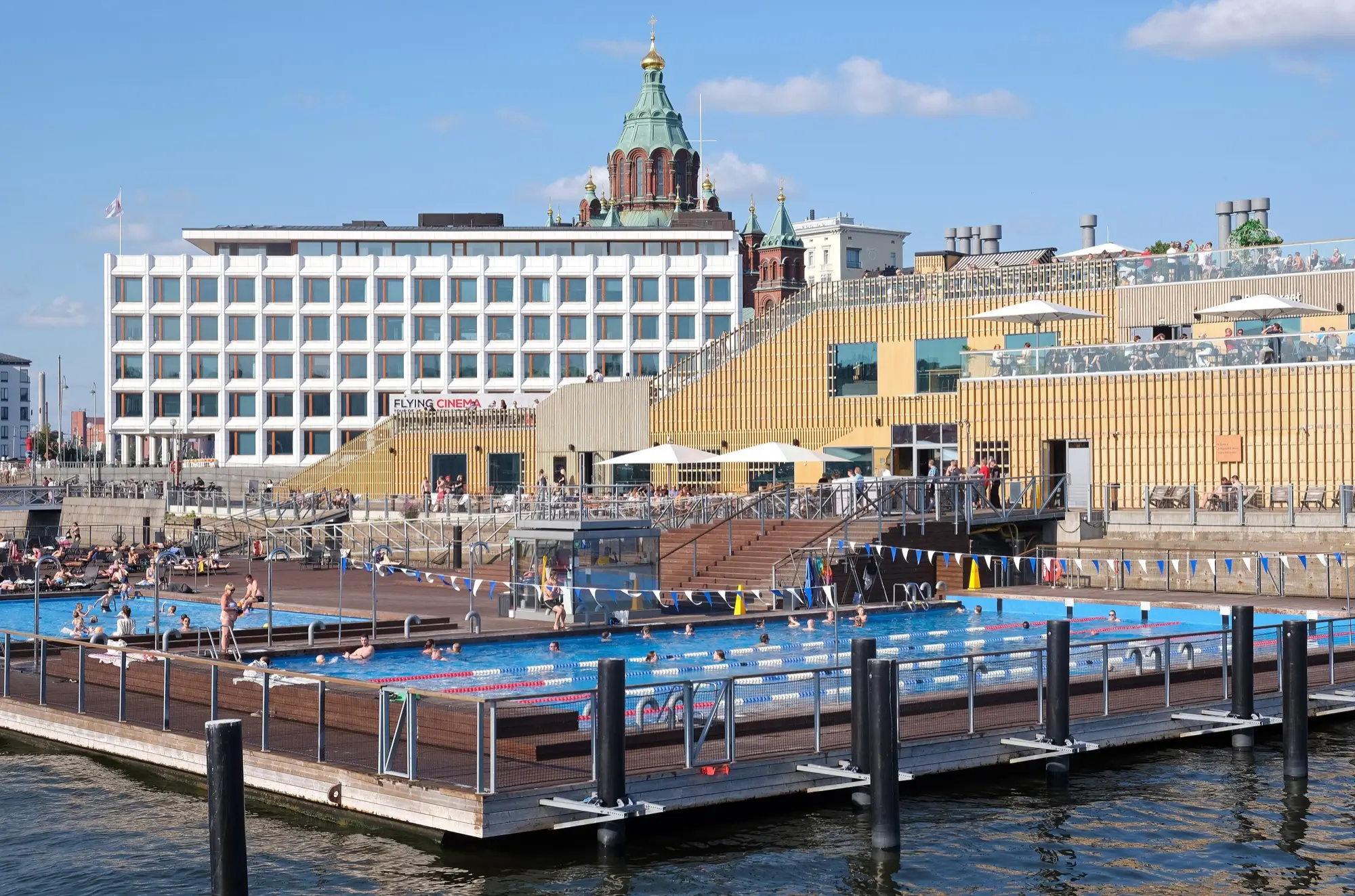
In Helsinki, separate men's and women's public saunas are naked and mixed ones such as Löyly and Allas ask for a swimsuit. The full list is on the site's Finnish sauna guide, which outlines how each venue operates so you can decide whether you want a traditional separate nude session or a mixed sauna where you are asked to wear swimwear. Visitors heading out to bathhouses in the capital can also consult our broader overview of things to do in Helsinki.
Sauna: do you have to be silent?
This claim is mostly right. Finnish saunas are calm and quiet, with no music, fragrances or coloured lights. The focus is simply on heat, steam, and peace, rather than conversation or sensory stimulation, which makes the whole atmosphere noticeably subdued compared with social baths elsewhere.
Silence in conversation is not negative to Finns, and loud speech can feel unpleasant. If you sit next to someone without speaking, nobody interprets that quietness as rude or negative. Speaking quietly preserves the peaceful environment that bathers expect when resting in the steam.
Tipping: is it expected?
No, tipping is not expected. Tipping is not expected in Finland; service is included in the bill. When you eat at a restaurant, visit a bar, or pay for service work, the price printed on your final bill covers the work provided.
Visitors used to countries where gratuities are customary can simply pay the exact bill presented. Because service is included in the bill, you can settle your bill without worrying that you have breached local manners.
Cash: do you need it?
Rarely. Cards and mobile payments are accepted almost everywhere; Visa and Mastercard are the most widely accepted. You can pay for daily purchases, from transport and groceries to meals and admission tickets, using digital methods.
In addition, tap water is clean and free. You do not need to purchase bottled water in restaurants, cafes, or accommodation, because tap water is clean and free to drink.
Shop alcohol: is beer over 5.5% only at Alko?
This claim is out of date. Since 10 June 2024, shops may sell fermented drinks up to 8.0% ABV; other drinks are limited to 5.5% outside Alko. This means ordinary supermarkets, grocery shops, and convenience stores can offer certain beers, ciders, and other fermented items that reach up to 8.0% ABV directly on their regular shelves. However, other drinks sold outside the state monopoly must stay at or below the 5.5% boundary.
Stronger drinks are sold at Alko, the state-regulated shops. If you wish to purchase spirits or other items that exceed the retail thresholds permitted in regular supermarkets, you must go to an official monopoly outlet.
Alko: closed on Sundays?
This rule changed in July 2026. Since the 2026 law change, Alko shops may open any day of the year from 9 to 21; each shop sets its own hours. Instead of staying closed across the board, each individual outlet can select its own operational pattern within the permitted statutory hours between 9 and 21.
As a result of these flexible rules, 55 Alko shops are open on Sundays. While many locations still choose not to trade on Sundays, those 55 shops provide service to customers on that day. If you are travelling during the end-of-year holidays and want to check how festive closures affect retail operations, read our guide to Christmas in Finland.
Suomenlinna ferry: do you need a special ticket?
No, you do not need a special ticket to board the ferry out to the fortress islands. Any HSL ticket that includes zone A works on the Suomenlinna ferry; an adult AB single costs €3.30 and is valid for 90 minutes; the ride takes about 15 minutes. The vessel is part of the ordinary public transit network in the capital, so standard city transit fares apply just as they would on any bus or tram.
Buy the ticket before the payment area at the pier; on the way back, buy by contactless card, the HSL app or the pier machine.
Shoes in someone's home: off
Finns do not wear shoes indoors; take them off in someone's home or ask. Entering an indoor residential hallway and leaving your outdoor footwear on is considered improper. Finnish households maintain clean indoor flooring, meaning footwear is left right at the entrance door rather than worn through living rooms or kitchens.
When you are invited into a private home as a guest, step out of your shoes in the front hall, or ask the host if you are uncertain about what they prefer. Taking off outdoor footwear shows basic respect for the home.
Being a bit late is fine? (no) and the reflector in the dark
Punctuality matters; for a 12 o'clock appointment, 12.10 is late. Finnish social and professional life treats agreed times very seriously. If you agree on a meeting time with friends or colleagues, aim to be present precisely when scheduled.
Safety customs outdoors also have specific rules. By law pedestrians should generally use a reflector in the dark; in 2024 about half of pedestrians (49%) wore one. In unlit conditions and dark winters, hanging a small reflector on a coat or bag helps drivers see you.