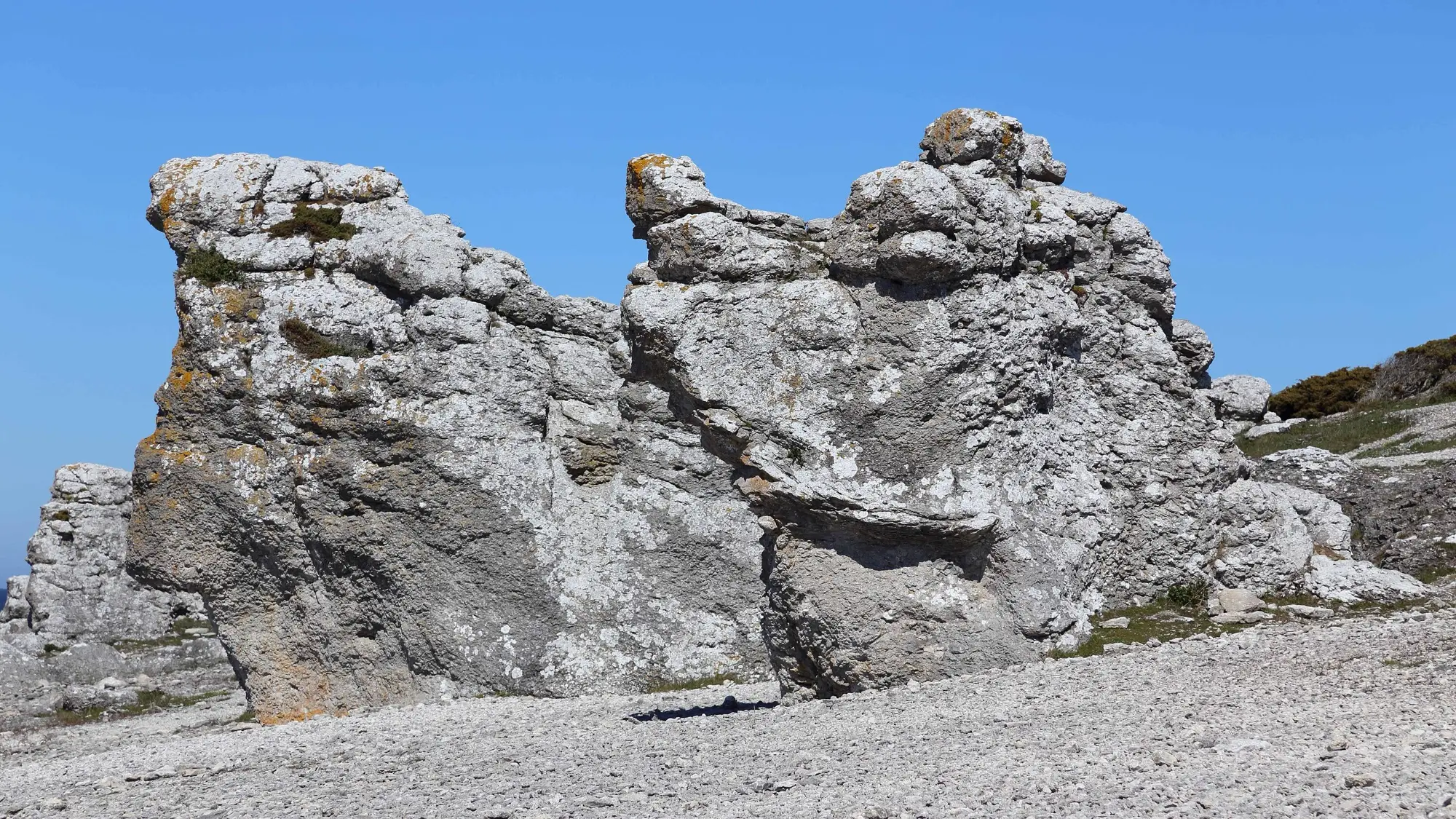

Gotland, Sweden's largest island, is about three hours by ferry from Nynäshamn or Oskarshamn, or as little as 30 minutes by air. The island's top twelve attractions are Visby, the Gotland Museum, Lummelunda cave, Fårö and Langhammars, Sudersand, Stora Karlsö, Hoburgen, Närsholmen, the Eksta coast, the medieval churches, the Viking sites, and Gotska Sandön.
Gotland at a glance
Gotland sits in the Baltic just east of the Swedish mainland and is Sweden's largest island. It is about the size of Long Island and contains 92 medieval churches built from the 12th to the 15th centuries. Together with the neighbouring island of Fårö, Gotland's coastline runs to 800 km, and the island contains more than 100 nature reserves.
| Thing to do | Location | Fact |
|---|---|---|
| Visby | West Gotland | UNESCO World Heritage site since 1995 |
| Gotland Museum | Visby | Covers 8,000 years of history |
| Lummelunda cave | Lummelunda | Features stalagmites, stalactites, and fossils |
| Fårö and Langhammars | Fårö | Sea stacks stand almost 10 metres tall |
| Sudersand | Fårö | Shallow water and soft white sand |
| Stora Karlsö | Off Klintehamn | World's second-oldest nature reserve |
| Hoburgen | Southern tip | Home to the Hoburgsgubben sea stack |
| Närsholmen | South-east Gotland | Open landscape likened to African savanna |
| Eksta coast | Djupvik to Hammarudden | Looks out towards the two Karlsö islands |
| Medieval churches | Island-wide | 92 churches dating from 12th to 15th centuries |
| Viking Gotland | Island-wide | Stenkyrka burial ground has around 1,000 graves |
| Gotska Sandön | 40 km north of Fårö | Baltic's most isolated island national park |
1. Visby
Visby is Gotland's main town and has been on UNESCO's World Heritage List since 1995 as an outstanding example of a north European medieval walled trading town. From the 12th to the 14th century, it served as the main centre of the Hanseatic League in the Baltic. The Pippi Longstocking television series was largely filmed in Visby and elsewhere on Gotland. You can plan your visit around town using this guide to Visby.
2. The Gotland Museum
The Gotland Museum, known as Fornsalen (the hall of antiquities), is located in Visby. Its collections span 8,000 years of regional history, displaying carved picture stones, gold and silver treasures, Viking-age silver hoards, and preserved medieval interiors.
3. Lummelunda cave
Lummelunda cave contains stalagmites, stalactites, and ancient fossils. When visiting the site, you can walk through the show cave or sign up for an adventure tour that leads into its inner caverns.
4. Fårö and the sea stacks at Langhammars
Fårö lies just north-east of the main island. You reach it by taking a free six-minute ferry ride from Fårösund. The island is formed entirely of limestone, with open fields, meadows, and sandy beaches. The film director Ingmar Bergman lived on Fårö for much of his life from the 1960s until his death in 2007.
Erosion has shaped Gotland's limestone pillars into dramatic sea stacks, called raukar in Swedish. The most famous pillars have distinct names, such as Lergravsporten and Hoburgsgubben. Some of the best-known stacks stand at Langhammars on Fårö, where they rise almost 10 metres tall above a pebble beach.
5. Sudersand beach
Sudersand on Fårö ranks among the island's longest beaches, offering soft white sand alongside shallow water. Across Gotland, the north-west coast features mostly rocky shores, whereas the south-east coast holds sandy stretches. The beaches at Sudersand, Tofta, and Nisseviken all have shallow water suitable for small children.
6. Stora Karlsö
Stora Karlsö is reached via a half-hour boat trip departing from Klintehamn. It is the world's second-oldest nature reserve after Yellowstone. A standard visitor ticket includes a guided tour and entry to the island museum. The island contains more than 20 caves, and its lighthouse dates from 1887. In summer, you can watch guillemot chicks leap directly from the high cliffs on their first flight.
7. Hoburgen and Hoburgsgubben
At the far southern tip of Gotland, right where the main road ends, you reach the Husrygg and Hoburgen nature reserve. Here you find the sea stack known as Hoburgsgubben, which provides clear views across the open Baltic Sea.
8. Närsholmen
Närsholmen is an open peninsula that is often likened to the African savanna. Its flat ground is dotted with birds, rare plants, and scattered junipers and pines.
9. The Eksta coast
The Eksta coast nature reserve stretches along the western shoreline from Djupvik to Hammarudden. It looks straight out towards the two Karlsö islands and is a popular cycling route.
10. The medieval churches
Gotland is known as the island of churches. Across the countryside stand 92 medieval parish churches built between the 12th and 15th centuries, and you should make time to visit at least one during your stay.
11. Viking Gotland
Gotland contains numerous burial grounds from the Viking age. In Stenkyrka, one burial ground spans 15 hectares and holds around 1,000 graves. You can also visit Stavgard, which operates as a reconstructed Viking village.
12. Gotska Sandön
Gotska Sandön National Park is the most isolated island in the Baltic Sea, situated about 40 km north of Fårö according to Visit Sweden's Gotland guide. The island is completely uninhabited and consists of pine forest and sandy beaches. Ferries operate to the park between May and September, departing from Fårösund on Gotland and from Nynäshamn on the Swedish mainland.
Walking and cycling
Gotland's terrain is largely flat, which makes it ideal for bicycle touring. If you prefer to explore on foot, you can consult a general guide to hiking trails in Sweden or follow one of the island's marked routes:
- Östkustenleden: A 78 km trail running from Anga to Närsholm, passing through eight distinct parishes and eight nature reserves.
- Klintkustleden: A 30 km route between Björkume and Hallshuk that leads along coastal cliffs, wetlands, and historic fishing hamlets.
- Roma to Dalhem: A 7 km pilgrim path that remains open to walkers all year round.
Food and drink
Local culinary traditions rely heavily on regional produce. Saffron pancake, or saffranspannkaka, is the classic Gotland dessert; it is prepared with rice and served with whipped cream and dewberry jam (salmbärssylt).
Sheep farming on the island dates back to the Viking age, local lamb remains an island speciality, and Gotland's official flag features a sheep. The island also produces the Gotland truffle, a wild black Burgundy truffle celebrated with an annual weekend festival every November. You can sample more regional fare at the Gotland Taste Festival, held each September. For drinks, look for gotlandsdricka, a smoky-sweet ale brewed with juniper that has been produced on the island for centuries.
When to go
Summer is the busiest travel period, bringing daytime temperatures that hover around 20°C. Spring brings blooming rapeseed fields and cherry blossom ahead of the high season crowds. Many local residents consider autumn the best season to visit, as the Baltic Sea remains warm from summer and many regional businesses stay open at weekends. Winter is quieter; Visby stages seasonal markets, though coastal areas outside the town walls can become very windy.
Key dates on the island calendar according to Gotland.com include:
- Medieval Christmas in Visby: 4-6 December 2026.
- Medieval Week on Gotland: 8-15 August 2027, hosting more than 300 scheduled events.
Getting to Gotland
Most travellers visit the island by sea. The ferry company Destination Gotland operates crossings from Nynäshamn (located south of Stockholm) and from Oskarshamn (in Småland). Both ferry routes take about three hours and sail straight into Visby harbour.
Scheduled flights depart from several Swedish cities and take as little as 30 minutes, with extra flight routes operating during the summer months. Visby Airport is located 4 km from the centre of Visby, which is close enough to walk if you are travelling light.