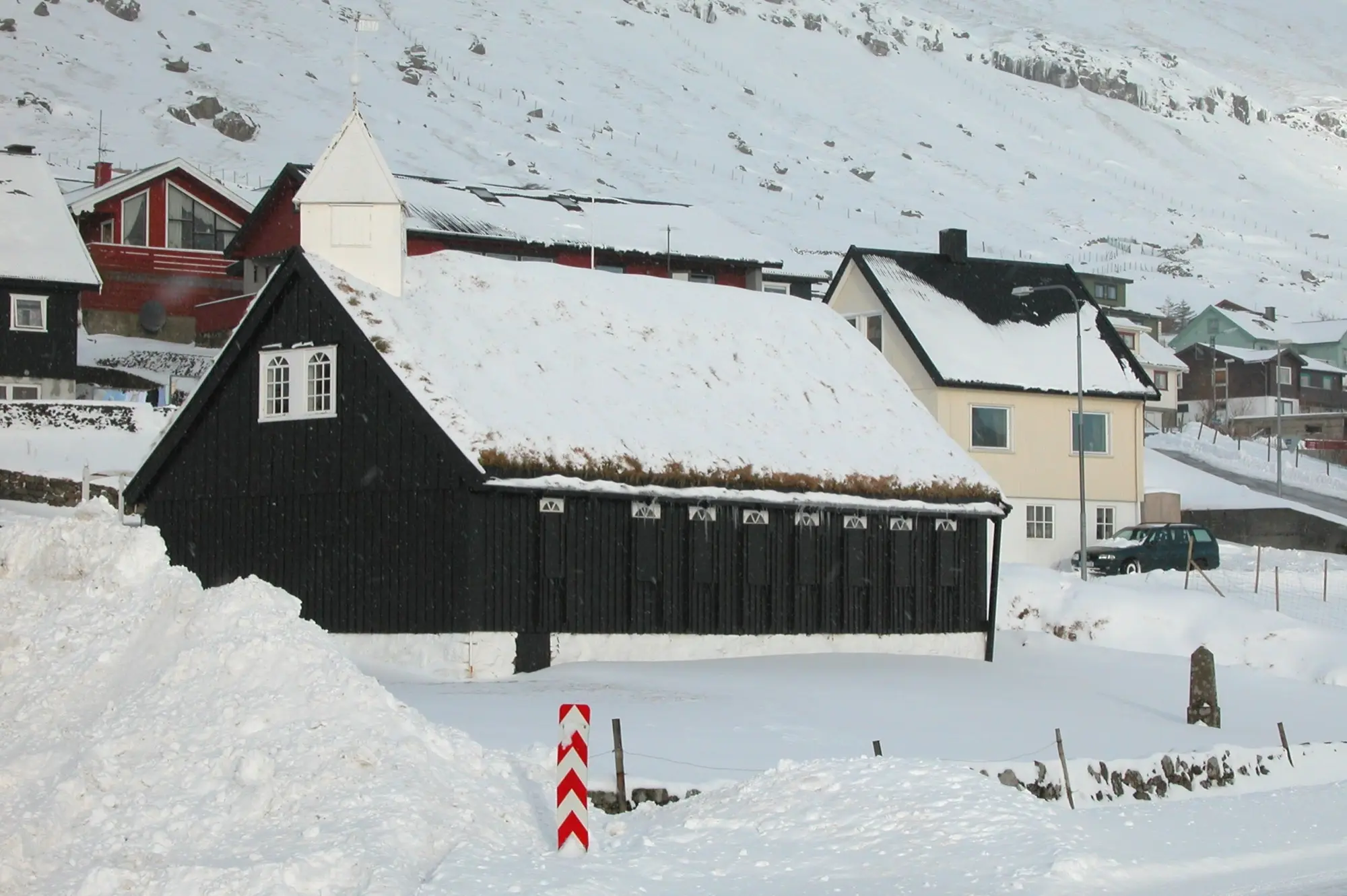

Visit Faroe Islands says winter in the Faroe Islands usually lasts from December until February. On 21 December Tórshavn has 5h 08m of daylight, sunrise 09:51 and sunset 14:59, as this site computes it. The islands stay open for walks, spas, home dining, concerts and Christmas in Tórshavn and Klaksvík, while some summer cafés close.
When winter is in the Faroe Islands
According to Visit Faroe Islands, winter in the Faroe Islands usually lasts from December until February, though snowstorms and rainy winds can still arrive in March, April and even May. The territory forms a self-governing part of Denmark, though its North Atlantic location produces distinct conditions.
Visit Faroe Islands calls November a month of transition with fewer tourists, noting that November is not peak tourist season. For December, Visit Faroe Islands advises bringing an open mind, a good raincoat and a sense of humour. In January, Visit Faroe Islands says you can expect the weather to rule your plans and can expect a far less crowded place than the average winter destination.
Daylight in Tórshavn from November to February
All sunrise, sunset, day length and dark sky figures below are computed on this site specifically for Tórshavn and are documented on the Tórshavn daylight page. Tórshavn keeps UTC in winter and UTC+1 summer time from the last Sunday of March to the last Sunday of October.
- 1 November: sunrise 08:01, sunset 16:21; 8h 20m of daylight and 10h 32m dark enough for the aurora.
- 1 December: sunrise 09:22, sunset 15:11; 5h 48m of daylight and 12h 22m dark enough for the aurora.
- 21 December (winter solstice): sunrise 09:51, sunset 14:59; 5h 08m of daylight and 12h 46m dark enough for the aurora.
- 1 January: sunrise 09:49, sunset 15:11; 5h 22m of daylight and 12h 36m dark enough for the aurora.
- 1 February: sunrise 08:50, sunset 16:29; 7h 38m of daylight and 11h 06m dark enough for the aurora.
For regional context on 21 December, the transit hub of Copenhagen (55.7°N) receives 7h 02m of daylight, while Reykjavík (64.1°N) receives 4h 06m.
Weather: wind, rain and snow
Visit Faroe Islands provides the following monthly conditions:
- November: temperatures of 3°C to 8°C, with more frequent showers or drizzle and a chance of snow on higher ground towards the end of the month.
- December: temperatures between 3°C and 7°C, bringing wind and rain.
- January: average temperatures of 0 to 6 degrees Celsius, with brisk winds and occasional rain or snow showers.
- February: temperatures of 0 to 6 degrees Celsius and a mix of rain and snow.
Visit Faroe Islands says it rains on more than 200 days a year. The Faroese language includes 50 names for rain, such as sirm (drizzle) and glopraregn (pouring rain). Umbrellas do not survive the conditions; Visit Faroe Islands notes that gusts can make some routes challenging or even inaccessible, so you should take a local guide and windproof gear. For snow, Visit Faroe Islands advises checking which roads are clear and never going out without a local expert, as snow can be calm one minute and intense the next. On rainy days, the tourism board suggests using rain gear outdoors or visiting galleries, cafés and home dining indoors.
What stays open and what closes
Some summer businesses close for the cold season. For example, Visit Faroe Islands lists Café Sólja in Tjørnuvík as open only from May to September.
Visit Faroe Islands' winter guides list the following:
- Saunadypp: The islands' first floating sauna holds a saunagus session with snacks and drinks at 5 PM every Friday in November.
- Havdypp: A nature spa offering an outdoor sauna and cold bath at Leynar beach, featured in the official winter guide.
- Ress Spa: Located in Tórshavn, offering pools and steam.
- Klaksvík skating rink: Open through winter, providing on-site parking and wheelchair access.
- Klaksvík public swimming pool: Its wellness area is highlighted among winter recommendations.
- Tutl: The only record store in Tórshavn, which hosts free concerts with free cookies and coffee from October to December.
- Heimablídni: Traditional home dining with local hosts, recommended by Visit Faroe Islands in December.
Getting around: buses, ferries and the helicopter
Visit Faroe Islands explains that large blue buses connect the airport, Tórshavn and the larger towns, while smaller buses and regional ferries serve the less travelled routes.
A multi-day travel card covers bus and ferry transport throughout the network, with the exception of the ferry to Mykines. Visit Faroe Islands suggests a price of DKK 500 for a four-day card.
Helicopter flights are subsidised by the government for residents living on remote islands and are mainly reserved for their use. Visitors can only book one-way helicopter trips, and reservations open two days before departure.
When driving yourself, expect narrow infrastructure. Visit Faroe Islands warns that some tunnels are single-lane, measuring just wide enough for one car with periodic passing bays, which can feel nerve-wracking in high winds. In November, clouds often sit so low that you may find yourself driving through one, and sheep often stand directly in the roadway.
Winter walks and the hare-hunting season
Visit Faroe Islands says many hiking trails stay open through November, though some trails may be covered in snow in February. You should find a local guide who knows the landscape before setting out on any winter hike, or choose guided winter walks around the villages.
Every year from 2 November to 31 December, the hare-hunting season takes place in the mountains across the country. Most hunters go out on Saturdays, but hunting is permitted every day except Sunday. Take this activity into account when planning routes across open hill ground.
Among its favourite winter-friendly walks, Visit Faroe Islands names:
- The lake walks at Toftir and Eiði on Eysturoy.
- Trøllkonufingur and Lake Sørvágsvatn on Vágar.
- The trail over the hill from Tórshavn to Kirkjubøur. This route takes a few hours and ends at the village's medieval church; walkers should bring a packed lunch.
Christmas in Tórshavn and Klaksvík
Towns mark the festive season with community markets and displays. In downtown Tórshavn, Visit Faroe Islands describes a mini Christmas village serving waffles with mulled wine alongside handmade crafts and decorative lights. Throughout December, pop-up stores open across Tórshavn selling local designer clothing, handmade decorations, Faroese art, jewellery and knitting. At the pier in Tórshavn, a hot chocolate and a Danish pastry at Kaffihúsið cost approximately DKK 50. The country's largest shopping centre, SMS, constructs a Christmas City each year featuring elves, animals and decorated trees.
In Klaksvík, the old Klaksvíkshandilin from 1838, historically the only trading store in the Northern Islands, converts into a dedicated Christmas shop. The ice skating rink in downtown Klaksvík operates throughout December, situated directly next door to Café Fríða.
January and February: jazz, light festivals and cold dips
Cultural gatherings continue after the new year. Visit Faroe Islands notes that Tórshavn hosts the Winter Jazz festival each January. Visit Faroe Islands lists Huldulitt in Tórshavn from 1 to 9 February, featuring light installations and events on Faroese history and heritage.
Winter traditions also centre on community life and the sea:
- Cold-water swimming: Locals swim in the sea all year round in water measured at around 5 degrees. Visit Faroe Islands suggests taking a cold Atlantic dip in the new year at Bøur, Gøta, Leynar or Tórshavn.
- Knitting clubs: Visit Faroe Islands suggests joining a knitting club in February, observing that it is customary for residents to belong to at least 2 knitting clubs when living in the Faroe Islands.
- Dark villages: Visit Faroe Islands describes Tjørnuvík as a village the sun's rays do not reach during the winter darkness.
Dark skies and the northern lights
Winter brings substantial darkness for viewing the night sky. On 21 December, Tórshavn experiences 12h 46m of skies dark enough for the aurora, while on 1 January, the city has 5h 22m of daylight (rising at 09:49 and setting at 15:11) alongside 12h 36m of dark skies.
Visit Faroe Islands says these long dark periods make winter a good time for stargazing due to the low levels of light pollution. To look for the northern lights, Visit Faroe Islands advises travelling out to darker, open ground away from urban lighting. You can consult the general aurora guide to understand geomagnetic indicators before setting out into unlit areas.