You cannot apply directly for a Norwegian identification number yourself. If you will live in Norway for at least six months and your move is approved, or your residence permit decides it, you receive a permanent national identity number (fødselsnummer). Otherwise, an authority or enterprise that needs you to have one, such as the Tax Administration for a tax deduction card, orders a temporary D number for you.
Two kinds of Norwegian identification number
Norway has two kinds of identification number, the national identity number and the D number. Many public and private enterprises require a Norwegian identification number before they give you their services; you need one to open a bank account, for example.
The Norwegian Tax Administration (Skatteetaten) runs the identification number scheme, including D numbers, and the Directorate of Immigration (Utlendingsdirektoratet, or UDI) cannot change a number. As Skatteetaten explains regarding identification numbers in Norway, you cannot apply for a D number or a national identity number yourself. The numbers are issued under the National Population Register (Folkeregisteret) regulations when someone meets their criteria, for example when getting a tax deduction card, opening a bank account or applying for protection.
The national identity number (fødselsnummer)
A national identity number is a unique 11-digit number that stays the same all your life. It is issued to children born in Norway, to people whose notification of a move to Norway is approved, and to Norwegian citizens abroad who need one for a passport; the National Population Register decides whether you qualify.
If you are going to live in Norway for at least 6 months, or more permanently, you are issued a national identity number, and foreign citizens can get one as well as Norwegians. For a child born in Norway, the Tax Administration issues the number when the hospital notifies it of the birth. Being registered as resident in the National Population Register is not the same as being tax resident in Norway.
The D number and who can order one for you
A D number is a temporary identification number from the Tax Administration for people who need a Norwegian identification number but do not meet the criteria for a national identity number. A D number may be relevant if you work in Norway for a few months, are an asylum seeker, or are a foreign citizen on the board of a Norwegian company.
You can get a D number if you do not qualify for a national identity number and belong to a group the regulations name, for example people who must pay tax to Norway, receive national insurance benefits, must open a bank account or own a home in Norway. Only foreign citizens are issued D numbers, which also have 11 digits.
An enterprise or authority requests the D number when it needs you to have one; those allowed include:
- The Tax Administration
- The Norwegian Labour and Welfare Administration (Nav)
- Banks and insurers
- The Brønnøysund Register Centre (Brønnøysundregistrene)
- The Norwegian Health Economics Administration (Helfo)
- UDI and the police immigration unit
The Tax Administration orders a D number for you if you need a tax deduction card and have no Norwegian identification number; whoever orders it decides whether you need an ID check. Asylum seekers receive a D number from UDI or the police immigration service when they register on arrival. An EU/EEA citizen coming to work for less than six months receives a D number when applying to the Tax Administration for a tax deduction card.
What the 11 digits mean
In a national identity number the first six digits are normally your date of birth, the next three are the individual number, and the last two are check digits. Someone born on 22 June 1976 has 220676 as the first six digits, and the last five digits together are called the "personal number". The third digit of the individual number shows gender, even for women and odd for men. Because some dates have run out of numbers, the first six digits sometimes show the day and month you got the number instead; you are told so in the letter, and your real birth date stays in the register.
A D number has 11 digits built the same way, with the date of birth first, three individual digits and two check digits. In a D number the first digit of the birth date is increased by 4, so someone born on 1 January 1985 has a D number starting 410185. If no D number is free for your birth date, the registration date (day and month) is used; your date of birth is still recorded correctly and you do not need to contact UDI. Other countries use different systems, such as the Swedish personal number and coordination number or the Finnish personal identity code.
How you get a national identity number when you move
If you will stay in Norway for at least six months in a row, or more permanently, you must report a move to Norway. Reporting a move means an ID check and documentation that you will live in Norway for at least 6 months.
If immigration authorities have granted you a residence permit, such as through the Norway work permit route, you usually do not report the move yourself; the permit decides whether you are registered as resident. For a residence permit holder, UDI notifies the Tax Administration when you meet the police to order your residence card, and the Tax Administration decides between a national identity number and a D number. About two weeks after the police appointment, a letter from the Tax Administration brings your number. If you got a D number with a permit of six months or more and think you should have a national identity number, you can report a move to Norway; once you have a national identity number, use it instead of the D number.
EU/EEA citizens and their family members who will live in Norway for more than six months must report the move to the Tax Administration to get a national identity number. Nordic citizens staying more than six months must attend a tax office appointment for ID verification and a change of address notification no later than eight days after arriving, booking an appointment for the visit.
The Tax Administration gives 2 to 25 weeks as the processing time for a move to Norway; missing information makes it longer, and the reply usually comes by post.
Getting a D number by post, and the certified copy
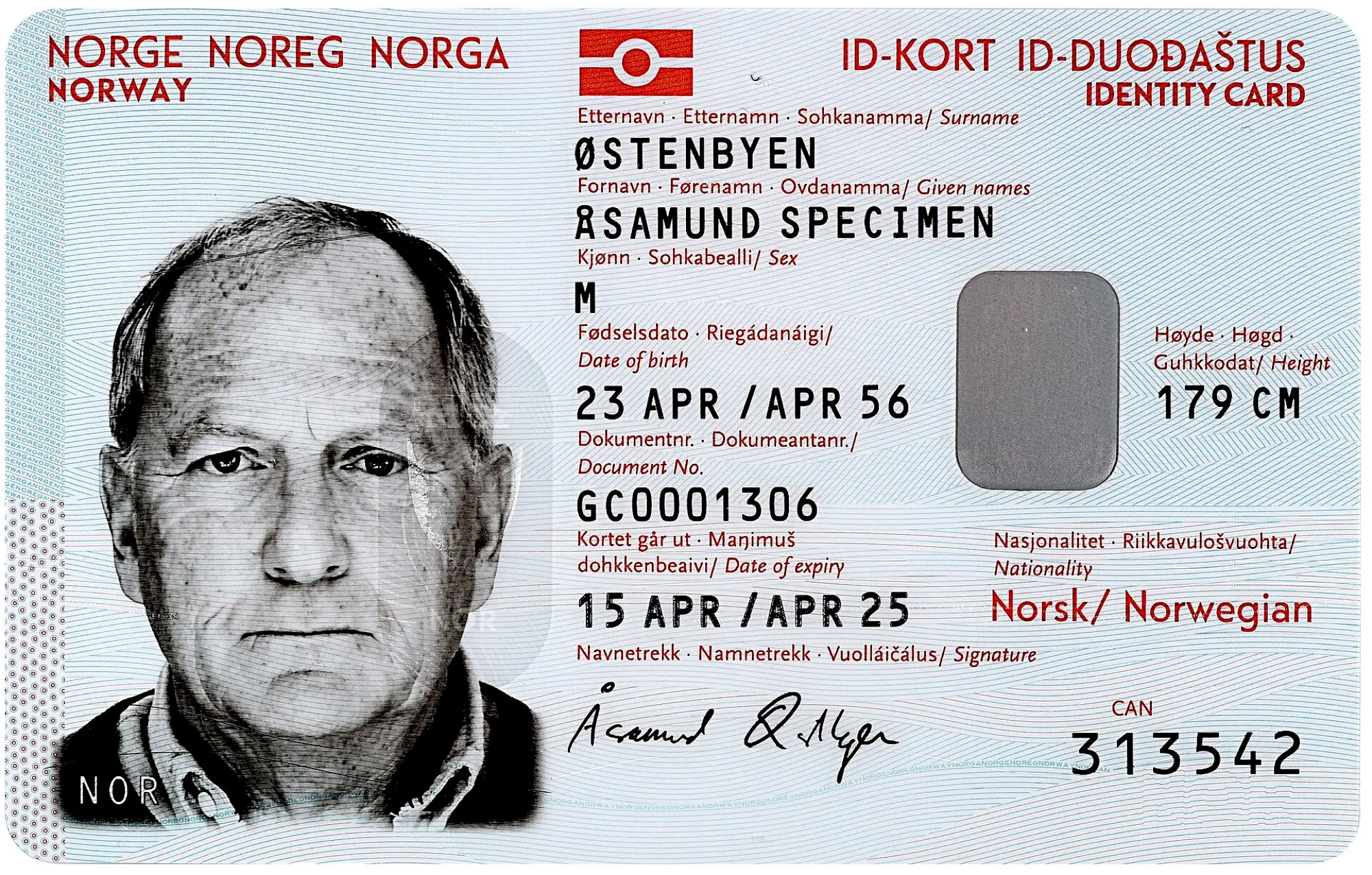
When an enterprise or authority applies for a D number for you, you usually send it a certified copy of your passport or national ID card. The ID document must show your photo, full name, date of birth, gender, expiry date, citizenship and a machine-readable zone (MRZ).
A certified copy means an independent third party has seen the original and confirms the copy with a signature, stamp and date. The copy must be in colour and show both the front and back of the document. The certified copy cannot be older than three months and must be sent by post.
A notary public in Norway or abroad can certify the copy, as can Norwegian public bodies such as a tax office, the police, Nav or a Norwegian embassy, and a Norwegian lawyer, bank or authorised accountant. The enterprise that requests your D number may require an ID check, which the Tax Administration performs and you book yourself.
The ID check at a tax office
An ID check is an identity and identification check that you attend in person, showing your identification document. As outlined in the Skatteetaten guidelines on ID checks, the required documents depend on citizenship:
- Nordic citizens bring a passport or national ID card showing citizenship and gender; someone moving from another Nordic country can instead bring a valid driving licence with a signed, stamped population register printout no older than three months.
- EU/EEA/EFTA citizens bring a passport or national ID card with a photograph and information about citizenship and gender.
- Citizens of countries outside the EU/EEA/EFTA bring a passport.
- Asylum seekers, refugees and people who cannot get a passport from their home country may use other documents, such as a Norwegian residence card or a refugee travel document issued by Norway.
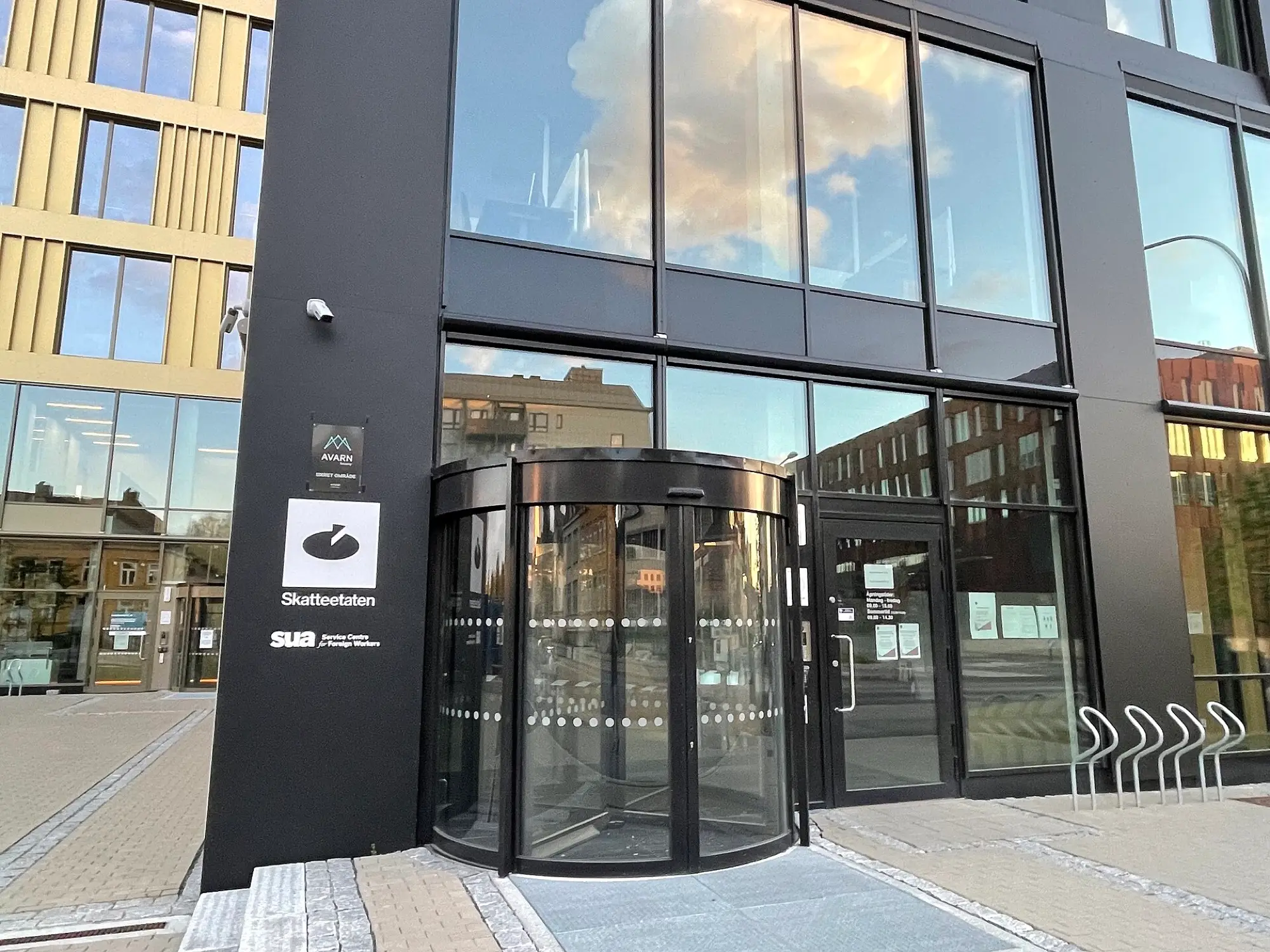
The Tax Administration offers ID checks in 42 selected tax offices, by appointment. The register records your identity as "checked" or "not checked", and public and private enterprises that use the register can see it. Whether your identity is registered as checked can decide your access to many rights; each enterprise decides whether it needs it.
What you need the number for - bank, tax card, electronic ID, GP
With an identification number you can open a bank account, get a regular GP (fastlege), rent a home and pay taxes, according to UDI. Once your number and bank account are sorted, see the guide on the cost of living in Norway and Oslo for what the first months cost.
Banking
Without a Norwegian identification number, it is up to the bank to apply for a D number for you, many banks do not offer this, and an account with a D number takes longer. The City of Oslo says to expect up to 4 weeks for a first bank account, and that the easiest and fastest way is to wait until you have your Norwegian identification number.
Tax deduction card
Everyone who works in Norway must have a tax deduction card and a Norwegian identification number, a D number or a national identity number. Understanding your tax deduction card and PAYE is essential, as without a card your employer must deduct 50 percent of your income. A tax deduction card normally takes up to 5 days, but applications from foreign workers often take longer, partly because of the ID check.
Electronic ID
To get an electronic ID, which logs you in to public digital services, you must have a national identity number or a D number. With a D number you can order a MinID; the activation letter takes a few days by post to your registered address. BankID, the most widely used electronic ID, is ordered through your online bank, and it is up to the bank whether you can get BankID with a D number. Buypass is an alternative electronic ID you can get with a D number, at extra cost.
General practitioner
Everyone registered in the National Population Register as resident in a Norwegian municipality is entitled to a regular GP. People with D numbers are not entitled to a GP, except groups such as asylum seekers and NATO personnel with D numbers and their families. Other D number holders are entitled to necessary medical treatment, which the municipality must provide.
Inactive D numbers after five years
A D number gets the status "inactive" five years after it was assigned, and again five years after any reactivation. An inactive D number is not invalid or deleted, but enterprises can require an active one.
You need an active D number to get a tax deduction card; this year's card still works, but next year's needs a reactivated number. If you are going to work in Norway with a D number five years old or more, you must book an ID check and bring a valid passport or national ID card. You cannot do the ID check to reactivate a D number before it has become inactive.
New identity numbers from 2032
Stortinget (the Norwegian parliament) has decided that new national identity numbers and D numbers are to be introduced by 1 January 2032, with new number series from 2032. The Tax Administration says that from 2040 it would have run out of new unique national identity numbers on some dates.
All existing national identity numbers and D numbers stay valid and nobody changes number; the new rules apply only to numbers assigned from 1 January 2032. The new numbers will be gender-neutral, and the individual number will no longer indicate the century of birth. The new national identity numbers and D numbers will still have eleven digits.