As an EU or EEA citizen, you need no residence permit to live in Sweden. You may stay for up to three months with a valid passport or national identity card, and beyond that period if you work, run a business, study, or have sufficient funds. You must register with the Swedish Tax Agency (Skatteverket) if you plan to live in Sweden for one year or more, and after five continuous years you gain a permanent right of residence.
EU citizens in Sweden, in short
EU and EEA citizens have the right to work, run a business, study, or live in Sweden without holding a residence permit. This legal entitlement is known as right of residence (uppehållsrätt). When preparing your relocation, understanding the general steps for moving to Sweden will keep your plans on schedule.
You may stay in Sweden for up to three months using only a valid passport or national identity card. If you plan to remain beyond three months, you must meet specific criteria: you must be employed, self-employed, enrolled in studies, or possess sufficient personal funds to support yourself.
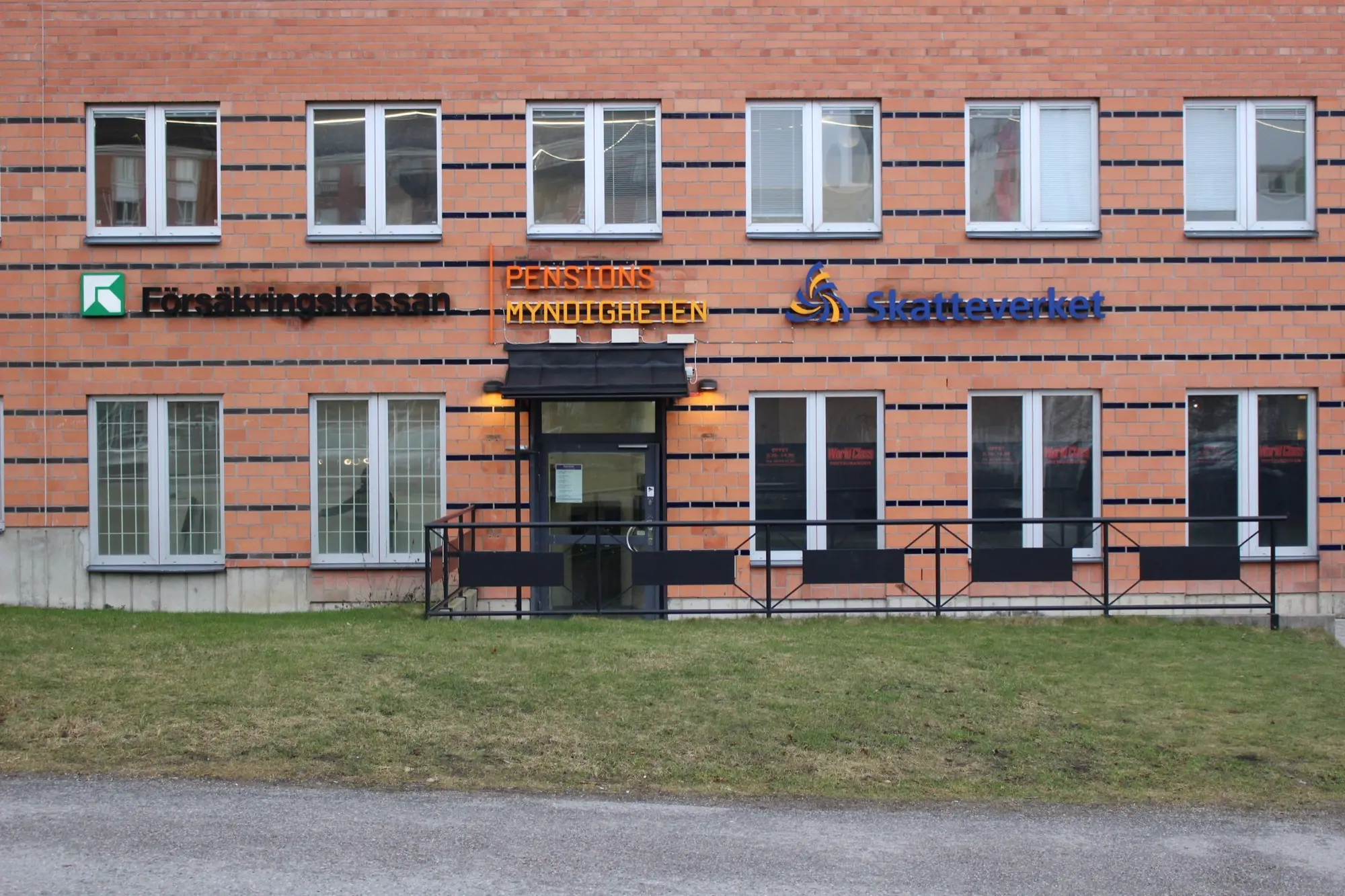
In most circumstances, you should be listed in the Swedish Population Register (folkbokföring) if you have moved to Sweden and plan to live there for one year or more. To do this, you must notify Skatteverket of your arrival.
Right of residence
Under European rules explained by Migrationsverket, an EU or EEA citizen who holds right of residence does not need to contact the Swedish Migration Agency (Migrationsverket). You can start working or studying immediately upon arrival in the country.
Your right to remain in Sweden depends entirely on your economic activity or self-sufficiency, as set out in the table below:
| You are | What gives you the right |
|---|---|
| An employee | You work in Sweden. |
| Self-employed | You run your own business. |
| A student | You study in Sweden. |
| Someone with sufficient funds | You have sufficient funds. |
After living in Sweden with right of residence for at least five continuous years, you automatically gain a permanent right of residence.
Registering with Skatteverket
If you plan to live in Sweden for one year or more, you must notify Skatteverket to be entered into the Population Register. When you are registered for the first time, Skatteverket records your full name, residential address, date of birth, and civil status.
At the same time, the agency assigns you a Swedish personal identity number (personnummer). This ten- or twelve-digit number forms the basis of official administration in Sweden. Once registered, many people choose to apply for a Swedish ID card (identitetskort) to verify their identity at post offices, pharmacies, and banks. You may also look into rules regarding a foreign driving licence in Sweden: using and exchanging it once you are settled.
Not everyone receives a personal identity number:
- Stays under one year: Someone employed in Sweden who will stay for less than one year should not be registered in the Population Register. Instead, they need a coordination number (samordningsnummer).
- Address requirements: When you register, you must state the full address where you actually live and sleep. This includes the four-digit apartment number registered to your flat. You must put your name clearly on the door or postbox. Skatteverket cannot register c/o (care of) addresses. If you rent your home, review tenant rights in Sweden: contracts, notice and repairs to ensure your housing arrangements meet legal standards.
Nordic citizens
Citizens of Denmark, Finland, Norway, and Iceland are subject to simplified Nordic agreements. Nordic citizens do not need any form of permit to move to Sweden or start working. However, they must report their move to Skatteverket and be entered into the Population Register if they intend to live in Sweden for at least one year.
Family members from outside the EU
If you move to Sweden and have family members who are not EU or EEA citizens, they cannot rely purely on your passport or ID card. A family member who is not an EU or EEA citizen must apply for a residence card (uppehållskort).
This card proves their right to live and work alongside you in Sweden. After living in Sweden for at least five years together with an EU or EEA family member who has right of residence, a non-EU or non-EEA citizen can apply for a permanent residence card.
Permanent right of residence
An EU or EEA citizen who has resided legally in Sweden with right of residence for at least five years can apply to Migrationsverket for a certificate of permanent right of residence (intyg om permanent uppehållsrätt). Family members who are also EU or EEA citizens can apply for this certificate too.
Having this official certificate provides written confirmation of your status. This documentation can prove helpful later if you eventually decide to explore the rules regarding Swedish citizenship. You can also check the rules on Swedish dual citizenship and citizenship by descent if you have family ties to the country.
Healthcare and a bank account
Access to healthcare and financial services changes depending on whether your registration with Skatteverket is complete.
Access to medical care
Before you are registered in the Population Register, you can access care by presenting a European Health Insurance Card (EHIC). Someone insured in an EU country, Liechtenstein, or Switzerland pays the same patient fees as people insured in Sweden by showing an EHIC ordered from the specific country where they are currently insured.
Once registered in the Swedish Population Register, you are entitled to medical and dental care on the exact same terms as all other residents in the country, paying the standard patient fee at public clinics and hospitals.
Opening a bank account
Opening an everyday payment account is protected by law. According to the Riksbank, a legal resident of Sweden or another EU or EEA country has a legal right to a payment account with basic functions. When you submit your application to a bank, they must reach a decision within ten business days at the latest.
Be aware that digital identification tools like BankID and the mobile payment application Swish are not classified as basic payment functions under the law, meaning banks are not legally required to provide them alongside a basic account.