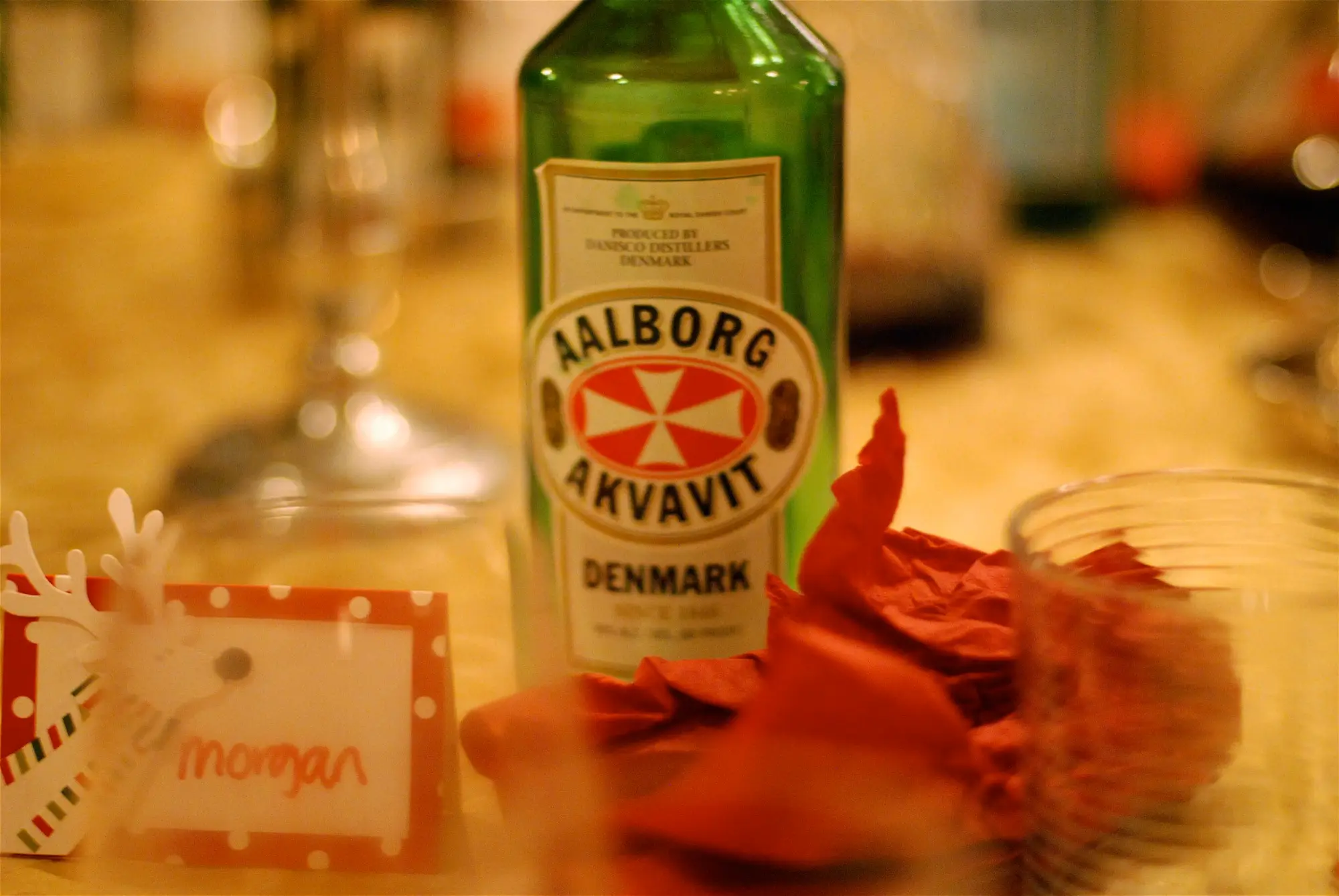

Eight Danish drinks worth trying are pilsner, craft beer, julebryg, akvavit (snaps), Gammel Dansk, gløgg, Cherry Heering and mjød (mead). Most alcohol is sold in supermarkets and convenience stores. In shops, sales require customers to be over 16 for drinks up to 6% alcohol and over 18 above that strength, while bars and restaurants require customers to be 18.
Pilsner: Carlsberg and Tuborg
Carlsberg was founded in 1847 by J.C. Jacobsen. According to the Danish national encyclopedia, Den Store Danske, Jacobsen launched bottom-fermented Bavarian beer in Denmark, a style that needed long, cool storage. He was the first Danish brewer to brew bottom-fermented lager successfully.
Tuborg was founded on 13 May 1873 in Hellerup. Den Store Danske notes that the company first intended to export its beer overseas. When that export venture failed, it turned to the domestic market. Tuborg is a brand owned by Carlsberg.
Craft beer: Mikkeller and the microbreweries
Mikkeller is a Danish microbrewery opened in 2006 by Mikkel Borg Bjergsø and Kristian Klarup Keller, who combined their names to form the brand. Den Store Danske notes that the brewery experiments with boundary-pushing beers. In 2010, the company opened Mikkeller Bar in the district of Vesterbro in Copenhagen. By 2014, Mikkeller exported beer to over 40 countries.
The broader market has developed alongside independent brewing. Den Store Danske explains that the range of seasonal Christmas beers has grown strongly with the interest in beer since 2000, brewed not only by large industrial producers but especially by microbreweries.
Julebryg and J-dag: the Christmas beer
Seasonal brewing has a long tradition in Denmark. Den Store Danske records that the first known Danish Christmas beer, or julebryg, dates from Christmas 1892. In 1896, De Forenede Bryggerier launched a Christmas white beer featuring a toasting nisse on the label. That product remains known as KB Juleøl, with KB standing for Kongens Bryghus, a brand owned by Carlsberg. In 2004, Carlsberg launched its top-fermented Christmas Ale at 8.3% alcohol.
J-dag is the annual occasion when Tuborg's Christmas beer goes on sale. Den Store Danske notes that J-dag was formally launched in 1990. Until 1998, the release took place on the second Wednesday in November at 23:59. Since 1999, J-dag has been held on the first Friday in November, with the first Christmas beers poured at 20:59. As Denmark.dk records, gløgg is warm wine mixed with brandy and dried fruit, and there are special Christmas beers too.
Akvavit: the snaps served with herring
Den Store Danske defines akvavit as an alcoholic drink distilled from a fermented liquid of grain, potatoes or similar, clear or lightly coloured by added flavourings such as caraway. The word akvavit comes from the Latin aqua vitae, meaning water of life. Snaps refers to strong spirits, used especially for clear Danish akvavit. The term comes from the Low German or German Schnaps, meaning a mouthful or a gulp.
Akvavit began in the Middle Ages as a medicine prepared with healing herbs. About fifty varieties of akvavit are made in the Nordic countries, ranging from 35 to 45 per cent alcohol. Den Store Danske lists the Danish Rød Aalborg and Jubilæum, the Norwegian Linie Aquavit and the Swedish O.P. Anderson as the best-known varieties. In Denmark, akvavit is often drunk chilled alongside beer during meals of salty food, especially herring and cheese. You can compare this culture to the spirit traditions explained in the guide to Finnish drinks.
Gammel Dansk: the herbal bitter
Den Store Danske names Gammel Dansk as Denmark's most popular bitter since De Danske Spritfabrikker launched it in 1964. The recipe is secret, combining extracts of 29 herbs, spices and flowers, with a strength of 38% alcohol.
During the 1960s and 1970s, drinking Gammel Dansk became almost a ritual at many Danish breakfast tables and morning meetings, according to Den Store Danske, though its general popularity has fallen since that era.
Gløgg: mulled wine for December
Gløgg is warm wine mixed with brandy and dried fruit. Denmark.dk notes that the drink comes from Sweden and is similar to Alpine glühwein. Gløgg is often served with a spoon, so the raisins and almonds can be eaten too.
In Copenhagen at Christmas, gløgg is often paired with æbleskiver, as covered in the overview of Danish food. Two institutions anchor the city's gløgg season:
- Hviids Vinstue, a Copenhagen bar opened in 1723, launches its gløgg on 11 November at 11:00, an annual event held since 1954.
- Torvehallerne in Copenhagen has held an unofficial Danish gløgg championship every year since 2014.
Cherry Heering: the cherry liqueur from 1818
Peter Heering's cherry liqueur, commonly known as Cherry Heering, has been produced since 1818. Den Store Danske identifies it as Denmark's best-known international drink. Peter Heering founded a trading house in 1818 and later established a shipping line in 1833. Ships' captains transported the liqueur across the globe, initially distributing bottles as gifts and later handling them as commercial exports.
According to Den Store Danske, the liqueur is stored for three years before release and has an alcohol content of 25%.
Mjød: mead from the Viking sagas
Mjød (mead) is a fermented drink made of honey, water and spices such as cloves, ginger, coriander, cinnamon, nutmeg or lemon peel, and sometimes hops. Its strength depends on the amount of honey used in fermentation, with a typical mixture consisting of one part honey to eight parts water.
In Norse mythology, the goat Heidrun stands on the roof of Valhalla while mead flows from her udder. Mead and beer were the primary drinks of the ancient North, in daily life, rites and myths. Mead spread especially from the 1200s, when beekeeping became common in many households. By the 1700s, mead dropped out of everyday drinking.
Where to buy alcohol in Denmark, and the age limits
According to VisitDenmark, visitors can buy alcohol in many convenience stores and supermarkets across Denmark. Danish alcohol laws regulate purchases based on the strength of the beverage rather than its production type. Supermarket chains include Netto, Føtex, SuperBrugsen and Fakta, which maintain typical opening hours of 8am to 10pm, varying by store.
Sikkerhedsstyrelsen (the Danish Safety Technology Authority) gives these age limits for shops:
- In shops, drinks containing more than 1.2% and up to 6% alcohol may be sold to people over 16.
- Drinks containing more than 6% alcohol may be sold only to people over 18.
- The 6% limit for 16 and 17-year-olds applies from 1 April 2025.
Sikkerhedsstyrelsen notes that people over 16 can still buy an ordinary beer under these provisions, but they cannot buy stronger items such as shots. VisitDenmark confirms that anything stronger than 6% alcohol, which includes most wine and all spirits, requires you to be 18 in a shop, bar or restaurant. In bars and restaurants, the age limit is 18 whatever the strength of the drink.