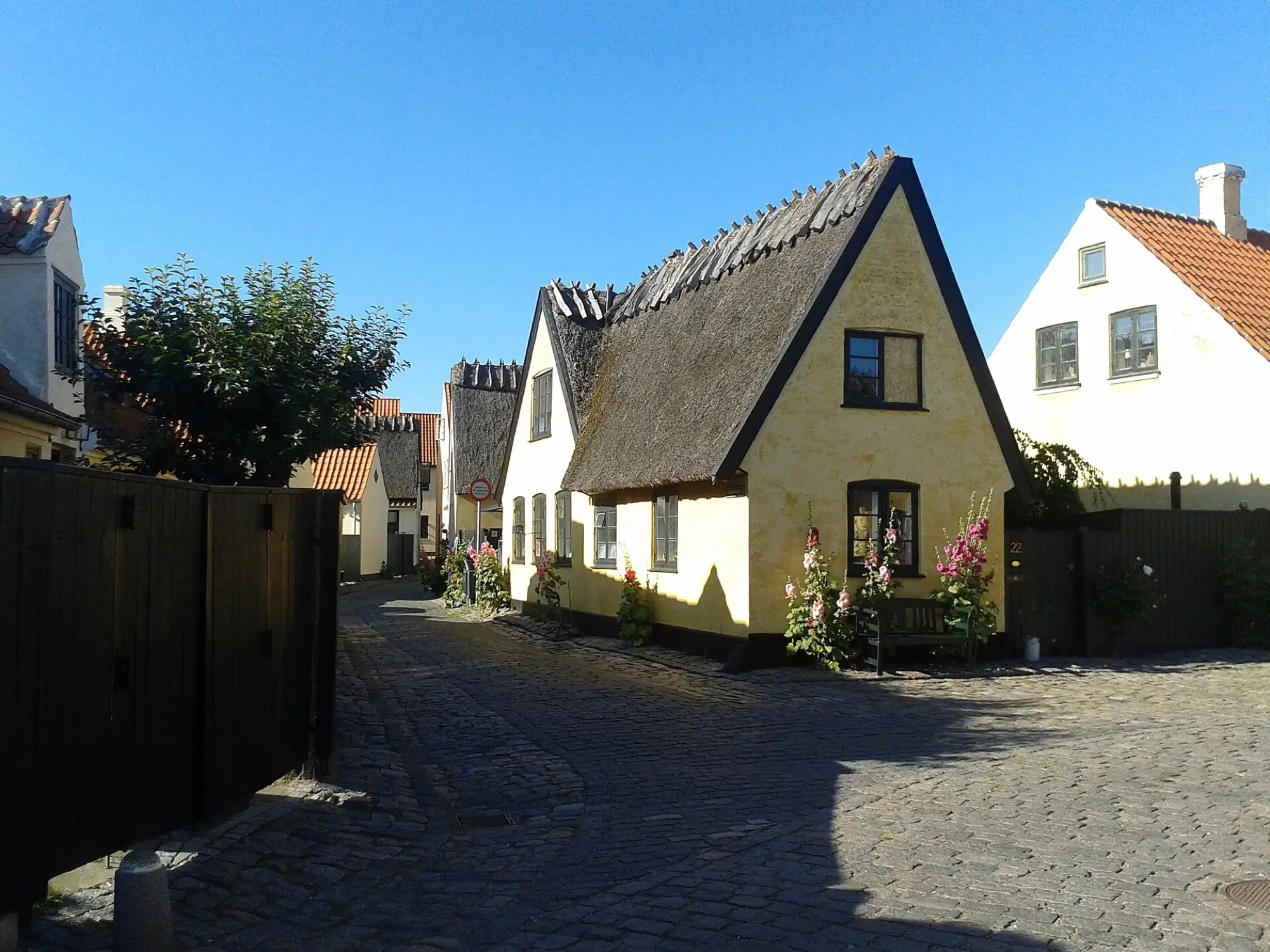

Hygge (said "hoo-gah") is, in VisitDenmark's words, creating a warm atmosphere and enjoying the good things in life with good people. The word came into Danish from Norwegian around 1800, from Old Norse hyggja. Danes do it at home with family or close friends, over a meal, by candlelight, with no agenda, and it peaks in the dark months around Christmas.
What the word means
According to VisitDenmark, hygge translates roughly as cosiness but means more, and that in essence it means creating a warm atmosphere and enjoying the good things in life with good people. VisitCopenhagen describes hygge as a concept for a feeling of comfort, togetherness and enjoyment of the simple pleasures of everyday life, usually inadequately translated as cosiness, with no direct translation. The Danish Foreign Ministry's denmark.dk says hygge is about taking time away from the daily rush to be with people you care about, or by yourself, to relax and enjoy life's quieter pleasures. VisitCopenhagen gives the English pronunciation as "hoo-gah". For a broader look at regional vocabulary, see our guide to Nordic words that explain the culture.
Where the word comes from
VisitCopenhagen says hygge has roots in the Old Norse hyggja, meaning to think, believe or be content with. Separately, it says that according to Den Danske Ordbog (the Danish Dictionary) the modern meaning came from Norwegian, where the word took on the sense of to comfort or to bring joy. VisitDenmark says hygge did not originate in Danish but in Old Norwegian, where it meant something like well-being, and first appeared in Danish writing around the end of the 18th century. denmark.dk dates the word, in its present meaning, to around 1800, and traces related senses back to the Middle Ages, when a similar Old Norse word meant protected from the outside world.
Hyggelig, uhyggelig and julehygge
VisitCopenhagen notes everyday uses of the adjective. Friends meeting in the street may say it has been hyggeligt to see each other, and someone fun to be with can be called a hyggelig fyr (pleasant fellow), though hardly a cosy guy. VisitCopenhagen says the depth of hyggelig is best seen in its opposite, uhyggeligt, which means anything from cheerless through sinister to shocking and grisly.
VisitAarhus calls julehygge (Christmas hygge) the best term for the Danish Christmas preparations, such as baking Christmas cakes, braiding Christmas hearts, switching on Christmas lights and putting out porridge for the Christmas elves. You can read more about seasonal customs in our guide to Christmas in Denmark.
How English took the word
sproget.dk, edited by the Danish Language Council (Dansk Sprognævn) and the Society for Danish Language and Literature, reported in a note dated 28 June 2017 that hygge was by then a headword in the Oxford English Dictionary, as a noun and adjective, defined especially with reference to Danish culture as a quality of cosiness and comfortable conviviality that engenders contentment or well-being. The same note cites DR as reporting that at least 9 books about hygge were published in the autumn of 2016.
A post on the Oxford University Press blog of 16 March 2017 says hygge, which had captivated the British imagination, was pronounced runner-up word of the year, after post-truth in first place. VisitCopenhagen says the word became so widespread that it was shortlisted for the Oxford Dictionary word of the year.
The Happiness Research Institute's book page names Meik Wiking as the author of the million-copy bestseller The Little Book of Hygge. Meik Wiking is the CEO of the Happiness Research Institute and a New York Times best-selling author whose books have sold over 1 million copies worldwide. denmark.dk says designers and merchandisers moved quickly to cash in, with books on hygge mostly read by foreigners, hygge housewares such as blankets and candles, and hygge clothes such as the soft sweater the actress Sofie Gråbøl wore in the Danish TV series The Killing.
How Danes do it
denmark.dk says hygge is usually informal time with family or close friends, typically at home or somewhere quiet, or a picnic in summer. It usually involves sharing a meal with wine or beer, or hot chocolate and sweets when children are there, and there is no agenda. denmark.dk notes that dinners in Denmark often last for hours, which gives time for long conversations and hygge.
VisitCopenhagen says candlelight is used to create a hyggelig atmosphere and that Danes use candles everywhere, in cafés, shops, bars and restaurants as well as at home, where the dim light softens the clean surfaces and white walls typical of Danish living rooms.
denmark.dk links hygge to the values of Danish society, equality and everyone's well-being, and says a spirit of consensus is favoured, since no one wants to spoil the atmosphere. denmark.dk says hygge is perceived as a meeting of equals, even where there are in fact imbalances of power.
Hygge through the year
VisitDenmark says hygge happens all year round, and that picnics in the park, barbecues with friends, outdoor concerts, street festivals and bike rides can all be hygge. VisitCopenhagen says hygge's prime seasons are autumn and winter, but that it also thrives in spring and summer, when it often moves outdoors.
denmark.dk says the cold, dark and wet climate during long parts of the year encourages Danes to spend time together indoors. According to data on Copenhagen's sunrise, sunset and day length, on the winter solstice, 21 December, the sun rises in Copenhagen at 08:37 and sets at 15:38, giving 7h 02m of daylight. On the summer solstice, 21 June, the sun rises in Copenhagen at 04:25 and sets at 21:57, giving 17h 32m of daylight.
VisitDenmark calls Christmas the high season of hygge, when Danes fight the long, dark winters with hygge and millions of candles. VisitDenmark's Christmas page says real candles are essential for Christmas hygge, and that Danes often burn an advent candle for one hour a day through December. VisitCopenhagen says that in the Christmas season Copenhagen lights up with candles and festive lights, and a warm glass of gløgg (mulled wine) adds to the hygge.
Where a visitor can find it
VisitCopenhagen's suggestions for finding hygge in Copenhagen are cafés, candle-lit dinners, the cafés and bars of Nørrebro, fællesspisning (communal dining), and a trip to Dragør.
Absalon, at Sønder Boulevard 73 in Vesterbro, is a former church turned community house where you can eat dinner with 180 other people, play bingo or table tennis, and go to film and music events. Absalon opens at 7:30 every day and closes at midnight, or at 02:00 on Fridays and Saturdays.
denmark.dk admits hygge is hard to achieve without old friends and familiar surroundings, but suggests a hearty dinner by candlelight in a historic restaurant, a sunny day at Tivoli Gardens, or a walk with a friend on the windy beaches of Jutland's west coast.
The side that is harder to join
denmark.dk says hygge can also be a non-inclusive exercise that leaves newcomers to Denmark on the outside looking in, since it encourages people to shelter, cluster and enclose, and it can be hard for outsiders to get access to the occasions where it happens.