The kennitala (national ID number) is the ten-digit personal identification number that everyone living in Iceland has, required for opening a bank account, registering your domicile, and accessing public services. EEA and EFTA citizens apply in person at Registers Iceland after arriving, while non-EEA nationals receive theirs through their residence permit. A system ID number looks identical to a personal ID number but grants no rights.
What a kennitala is
Everyone who lives in Iceland is registered with Registers Iceland (Þjóðskrá) and has a national ID number (kennitala), a unique ten-digit number used widely throughout Icelandic society. Whether you are browsing our living in Iceland guides or settling into your first flat, you encounter this number in almost every official interaction.
ID numbers are needed for a wide range of services, such as opening a bank account, registering your legal domicile and getting a home telephone. Registers Iceland keeps your legal domicile, name, birth, changes of address, children and relationship status against the number. For more on how official naming structures operate alongside this registry, read our guide on Icelandic names.
What the ten digits mean
Registers Iceland explains the ten digits: the first six are your date of birth as DDMMYY, the seventh and eighth are chosen at random, the ninth is a check digit and the tenth gives the century, 9 for 1900 to 1999 and 0 for 2000 onwards.
The number is often written with a hyphen after the first six digits, for example 120174-3389. You can compare this system to Denmark's equivalent system in our guide to the CPR number in Denmark.
| Digits | Meaning |
|---|---|
| First to sixth | Date of birth (DDMMYY) |
| Seventh and eighth | Chosen at random |
| Ninth | Check digit |
| Tenth | Century identifier (9 for 1900 to 1999, 0 for 2000 onwards) |
System ID number or personal ID number
There are two kinds of personal ID number, a system ID number and a personal ID number; they look the same but do not give the same rights.
A system ID number lets public authorities tell people apart and exchange information about them, for example for tax; it is not a residence permit and gives no rights such as social security payments. Only Icelandic legal entities can apply for a system ID number, and Registers Iceland does not charge them for it.
The system register is only for people staying in Iceland less than three months (six months for Nordic citizens) or not present in Iceland, and confers no rights or privileges. Personal ID numbers are issued at birth to children born in Iceland and to all who register a domicile in Iceland; if you already have a system ID number, it is moved to the national register.
| Feature | System ID number | Personal ID number |
|---|---|---|
| Purpose | Administrative tracking and tax exchange | Full legal identification and residence |
| Granted rights | None; confers no rights or privileges | Full access to services linked to domicile |
| Stay limit | Less than three months (six for Nordic citizens) | Intended for longer stays and permanent residence |
| Who applies | Icelandic legal entities only | The individual or Directorate of Immigration |
How to get one
EEA and EFTA nationals must apply for the number in person at Registers Iceland or some police stations; for other foreign nationals it comes with the residence permit, through the Directorate of Immigration.
EEA and EFTA nationals staying longer than three months must register with Registers Iceland, which gives them a legal domicile and an Icelandic ID number; processing can take up to ten working days once all documents are in. Nordic nationals have their own registration page.
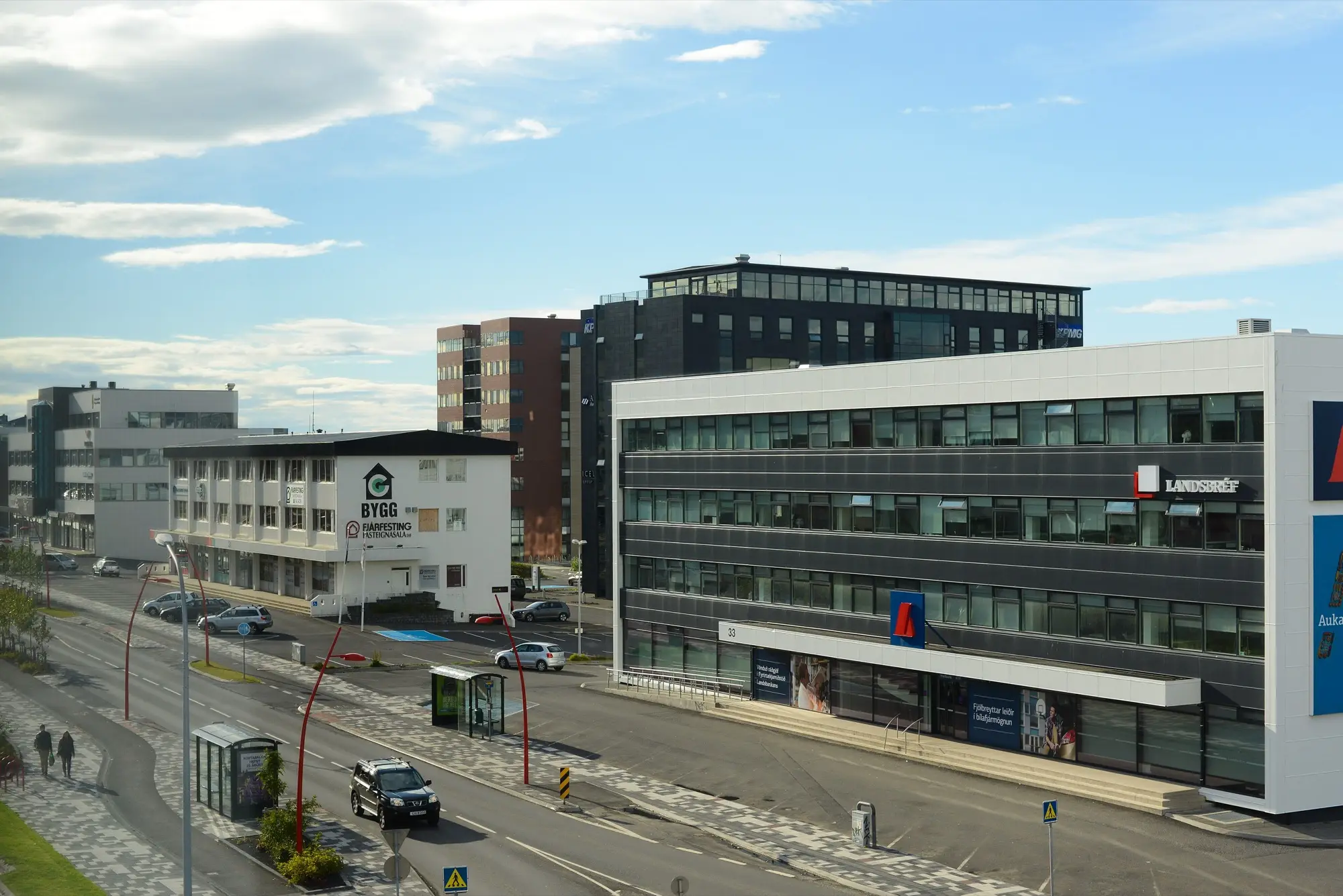
Registering a domicile, and with it the personal ID number, is free and can only be done by Registers Iceland; for people from outside the Nordic countries and the EEA/EFTA, the Directorate of Immigration applies for it. Registers Iceland is at Borgartún 21 in Reykjavík.
Legal domicile
If you plan to stay six months or longer you must register a legal domicile (lögheimili), which needs a national ID number, and for people from outside the EEA a residence permit.
A legal domicile must be a definite address on a named street or building; a guesthouse, hospital, fishery workers' lodging or construction camp does not qualify, and you can register only one at a time.
Entitlement to public services and assistance generally depends on a registered legal domicile, so Registers Iceland recommends registering as soon as possible. Registers Iceland warns that staying in Iceland without final registration of legal domicile can be illegal.