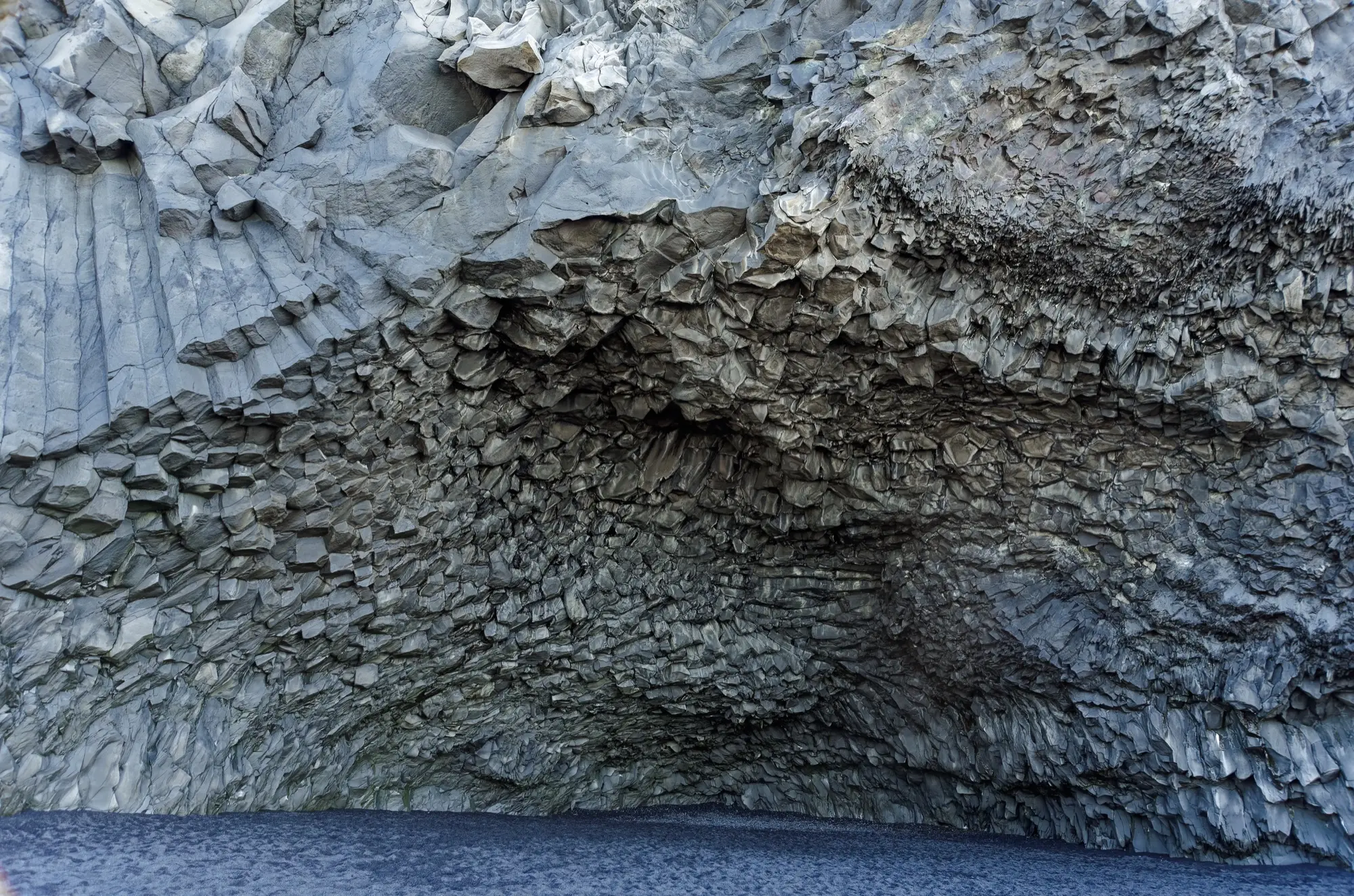

On crime, Iceland is exceptionally safe. The Global Peace Index 2026, published by the Institute for Economics and Peace on 9 June 2026, ranks Iceland the most peaceful country in the world for the 19th consecutive year. The actual risks that hurt visitors come directly from nature, including rapidly shifting weather, sea conditions, and volcanic terrain.
Crime: Iceland tops the Global Peace Index
In the Global Peace Index 2026, Iceland remains in first place, followed by New Zealand, Switzerland, Slovenia and Ireland. The index ranks 163 countries on 23 indicators across three domains, one of which is the level of societal safety and security; it serves as a measure of peace rather than a direct crime rate.
Visit Iceland says crime rates are low and violent crime is uncommon compared with many other countries. The offences that do occur are more likely to be theft or property crime, so you should take normal travel precautions. Visit Iceland adds that no country is completely free from crime or risk, Iceland included. According to Visit Iceland, the country is considered one of the safest destinations whether you explore Reykjavík, drive the Ring Road or travel solo, and the biggest risks usually come from nature. Visit Iceland also notes that Iceland has no animal predators dangerous to people.
The real risk is the weather and the roads
Safetravel states that the weather and road conditions in Iceland differ from what visitors are used to and can change fast. Strong winds, snow, rain and drifting snow can make driving difficult and sometimes dangerous even when the surfaces look clear. For general trip logistics, check our overview of driving in Iceland before setting out.
The Icelandic Met Office issues weather warnings in three colours: yellow, orange and red. Forecasters set the colour by judging the expected impact and how likely the forecast is. A red warning is the highest level and indicates weather with a major impact on society. A yellow warning can mean a small or moderate chance of very severe weather 3 to 5 days ahead, moving up to orange as the forecast becomes more certain.
Safetravel notes that road conditions can change rapidly and directs drivers to umferdin.is for live updates. Check the weather and road conditions in the morning and a few times during the day. Keep your plans flexible, and be ready to change or cancel them if conditions become unsafe; if the weather gets too much, wait in a safe place for it to calm down.
If you plan to cross unbridged rivers on highland routes, Safetravel warns that no insurance covers damage to a vehicle while it crosses a river; the risk is always yours, and repairs can cost thousands of euros or dollars. River depth and current change constantly, often making rivers impassable. If you are unsure about a crossing, do not make it. Those travelling later in the year can also review Iceland in winter for specific cold-weather guidance.
Sneaker waves at Reynisfjara and the other black beaches
At the black sand beach of Reynisfjara on the south coast, Safetravel warns of sneaker waves, which arrive with zero warning and can sweep an adult out to sea in seconds, as well as falling rocks from the cliff. Lives have been lost at Reynisfjara.
Safetravel's rules are mandatory: stay well back from the water's edge, never turn your back on the sea, keep children with an adult, and beware of falling rock near the cliff. Warning lights at the beach entrance display the current hazard level. On an orange light, you must stay at least 25 metres from the sea. On a red light, the beach is closed, though you can stay at the designated viewing area.
Visit Iceland notes that the same advice applies at Kirkjufellsfjara beach by Dyrhólaey on the south coast and at Djúpalónssandur on the Snæfellsnes peninsula. Follow warning signs and respect rails and fences; strong undercurrents at beaches, slippery stones at cliffs and waterfalls, and unstable ground at hot springs can become life-threatening. Many of these locations appear in our guide to things to do in Iceland.
Glaciers and ice caves: only with a guide
Safetravel instructs visitors never to go on a glacier without experience or the proper equipment, and highly recommends hiring a certified glacier guide. Visit Iceland instructs travellers always to go into an ice cave with a qualified glacier guide, who assesses the ice stability and provides the necessary safety equipment. At the glacier tongue of Sólheimajökull, Safetravel states that conditions at the edge have changed and are changing rapidly, creating an unstable ice ridge and a risk of rockfall.
Volcanoes: what the Met Office and Civil Protection say about Reykjanes
Civil Protection notes that Iceland experiences a volcanic event every five years on average, and that authorities and the public maintain high preparedness. Volcanic activity returned to the Reykjanes peninsula in 2021, with eruptions near Fagradalsfjall in 2021, 2022 and 2023. Visit Iceland notes that since December 2023, a series of eruptions has taken place along the Sundhnúkur crater row near Grindavík, most recently in July 2025, and that the town reopened to visitors in October 2024.
On 7 August 2025, the National Police Commissioner, together with the Suðurnes police chief, lowered the civil protection level for Reykjanes from alert phase (hættustig, an intermediate emergency level) to uncertainty phase (óvissustig, an initial monitoring level) after the ninth eruption on the Sundhnúkur crater row had ended. The Icelandic Met Office states that since the July 2025 eruption, magma has accumulated under Svartsengi and the land there has continued to rise. In its update of 10 November 2026, the Met Office stated that land was still rising at Svartsengi, pointing to continued magma accumulation, and that a magma intrusion that could lead to an eruption remained the most likely scenario. The Met Office cannot predict when the next event will happen, noting that warning times may again be short, as seen prior to earlier intrusions and eruptions along the Sundhnúkur crater row.
On 22 October 2026, Civil Protection published the initial results of a revised risk assessment for Grindavík, finding the safety of people living and working there comparable to other Icelandic communities living with long-term natural hazards, provided monitoring, safety measures and preparedness remain in place. Safetravel's page, last updated in September 2025, said there was no active eruption in the Grindavík area and Grindavík was open, but crevasses could be expected, requiring visitors to stay strictly on paths; the area was still considered hazardous due to volcanic unrest, and evacuation sirens sound if the threat level rises. Safetravel rules state that you must never walk on lava, even after an eruption has ceased, because the surface crust can be thin with hot lava underneath.
Civil Protection explains that eruptions can begin without warning, though they are usually preceded by earthquakes and unrest that instruments detect. The hazards include lava flows, lightning, poisonous gases and ash fall. Volcanic gas is a lethal poison that in most cases has no smell and is difficult to detect; do not enter low-lying ground where gas gathers. Civil Protection states that because eruptions can occur without warning, you must follow every instruction from the authorities. Check safetravel.is and the Icelandic Met Office at vedur.is on the day before travelling anywhere near the Reykjanes eruption sites.
Earthquakes
Civil Protection notes that there is seldom advance warning of an earthquake. When necessary, Civil Protection sends warning text messages to mobile phones in the affected area following a tremor.
Civil Protection's instruction during shaking is to remember "duck, cover, hold". If you are outdoors, move to an open space away from buildings and electric poles. If you are driving, pull over and stop in a safe place. In the update from 10 November 2026, the Icelandic Met Office noted that recent earthquake activity at Svartsengi had been very low, falling within normal background levels.
How to stay safe: 112, a travel plan and the alerts
For any emergency in Iceland, call 112. The operating authority, Neyðarlínan, provides assistance 24 hours a day all year round by phone, through the 112 Iceland app, via text message or by web chat. The app allows you to contact operators without making a voice call, transmitting your location as soon as you connect. If you experience a problem connecting to 112, Safetravel provides +354 599 0112 as an alternative number. Safetravel notes that 2G and 3G networks are being shut down across Iceland starting in April 2026; check that your handset works before arriving, as network changes may affect access to emergency lines.
Safetravel highlights that the first step for any traveller is to leave a travel plan with an emergency contact who is not on the trip and can react if you do not check in. This submitted plan gives ICE-SAR the details needed to start a search or rescue. ICE-SAR (the Icelandic Association for Search and Rescue) runs Safetravel as a volunteer organisation with more than 4,500 volunteers available day and night throughout the year.
Because outdoor conditions depend entirely on weather developments, check the forecast at least once daily on en.vedur.is, and monitor Safetravel's website and app for active alerts.