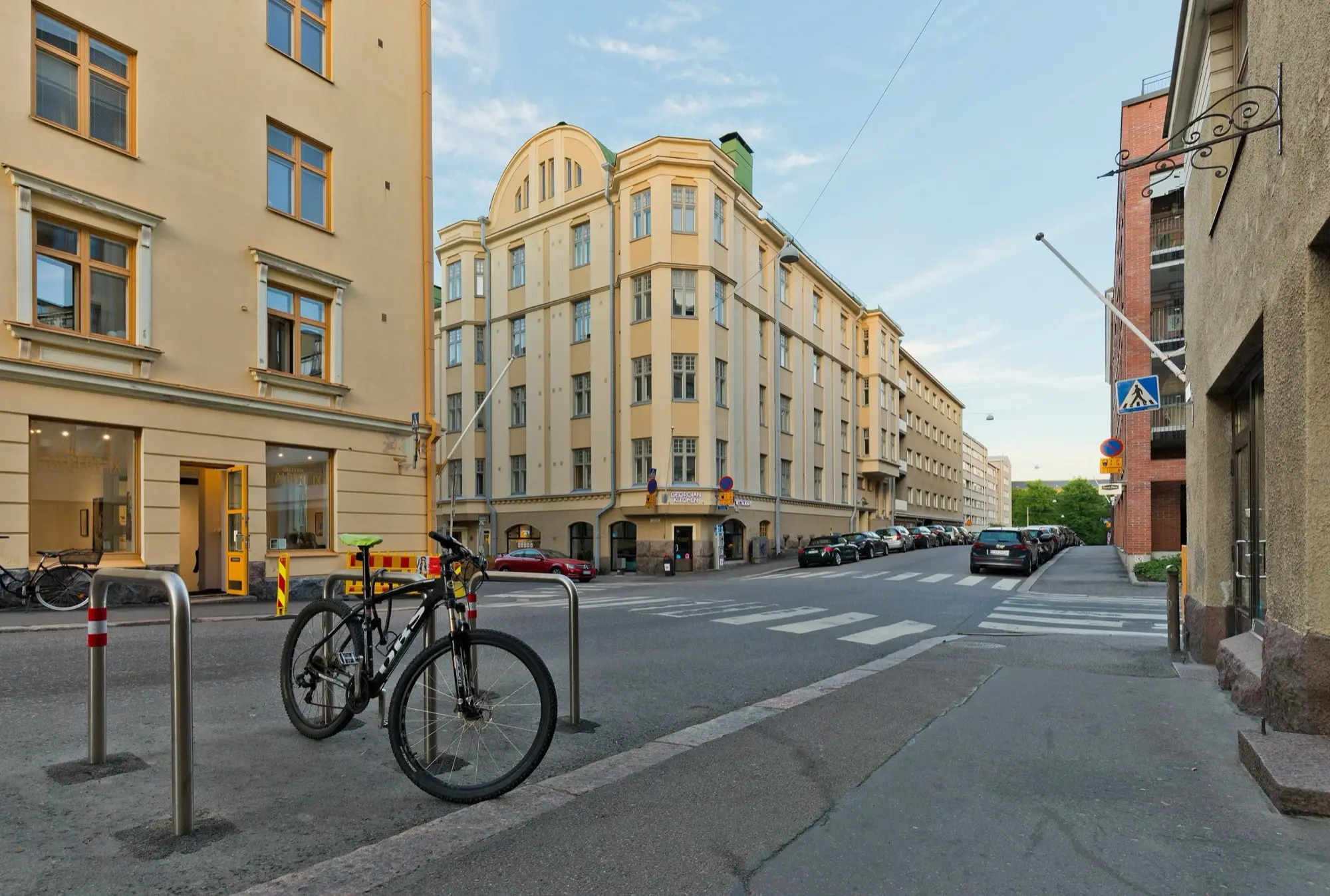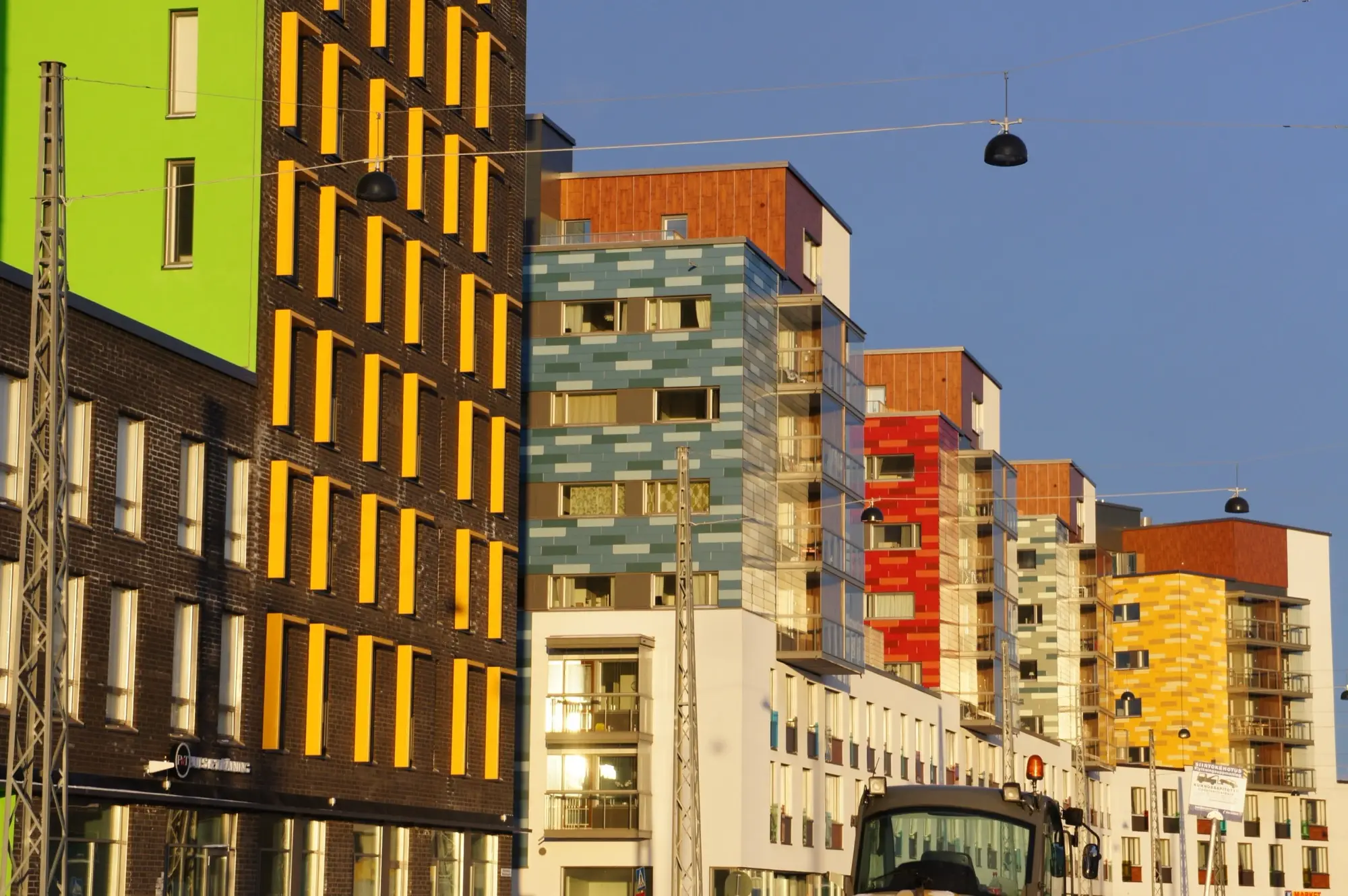
Finland has a large, well-organised supply of student housing, which is almost never run by the universities. The landlords are student housing foundations, student unions and a few other non-profit foundations, and each large student town has at least one. In some smaller towns, a college has its own student halls, which are for its own students.
Who lets student flats
The umbrella body is SOA (Suomen opiskelija-asunnot). It does not let flats itself. Its website lists the member organisations that do, town by town, with a map — Helsinki, Espoo, Tampere, Turku, Oulu, Jyväskylä, Lappeenranta and the rest. If you know where you will study, start there and follow the link to the local provider.
In the capital region, the provider is HOAS, the Helsinki Region Student Housing Foundation, which has flats in Helsinki, Espoo, Vantaa and Kauniainen. To apply to HOAS, your studies must be full-time and lead to a degree at an institution in the Helsinki metropolitan area. International and exchange students have their own application route, and HOAS has furnished flats for them.
What you get
Student housing comes in a few standard types:
- a room in a shared flat, with the kitchen and bathroom shared with two or three other students
- a studio of your own
- two-room and family flats for students with a partner or children
The rent depends on the town, the building and the flat's condition. Check the listing to see what the rent includes before comparing it with a private flat. HOAS asks for a deposit, which can be paid by card via its online service.
When and how to apply
Apply as soon as you have a study place. You do not need to wait until you arrive, and you should not. In the larger cities, it can take several weeks or months to be offered something; HOAS says waiting times range from a few weeks to more than a year. Each provider has its own online application form and its own rules.
Two habits help:
- On the application, give a realistic figure for the rent you are willing to pay. A narrow wish list means a long wait.
- Update the application regularly. HOAS recommends doing this about once a month, which also shows you are still looking.
Autumn, when the new intake arrives, is the tight season everywhere.
How long you can stay
Student housing is for students. To keep the flat, you must study full-time and make progress, and a landlord can end the lease if you have not completed enough studies. What happens after you graduate differs between providers, so read your provider's rules before planning a year of job-hunting from a student flat.
Help with the rent
Since 1 August 2025, students are no longer paid Kela's general housing allowance. Instead, they are back on the housing supplement, which is part of student financial aid. Students who live with their own child, or their spouse's child, remain on the general housing allowance.
The housing supplement is 80 per cent of acceptable housing costs, up to a monthly maximum that depends on where you live, as checked:
| Where you live | Maximum per month |
|---|---|
| Helsinki, Espoo, Vantaa, Kauniainen | €296 |
| Tampere, Turku, Oulu and other mid-sized cities | €248 |
| Everywhere else | €216 |
It is paid only for months in which you study, and not over the summer unless you are studying then. You apply via OmaKela with a copy of your lease.
The catch for newcomers is that if you moved to Finland to study and are not a Finnish citizen, you usually do not qualify for student financial aid, and therefore do not qualify for the supplement either. Exceptions include working in Finland for an average of at least ten hours a week for at least four months, having a permanent right of residence under EU law, having a working family member from the EU or EEA, or having originally come to Finland for a reason other than studying. Exchange students are not eligible at all.
Related
- Studying in Finland — applying for a place
- Student life in Finland
- Finding a flat in Finland, if student housing does not come through in time
- Kela benefits