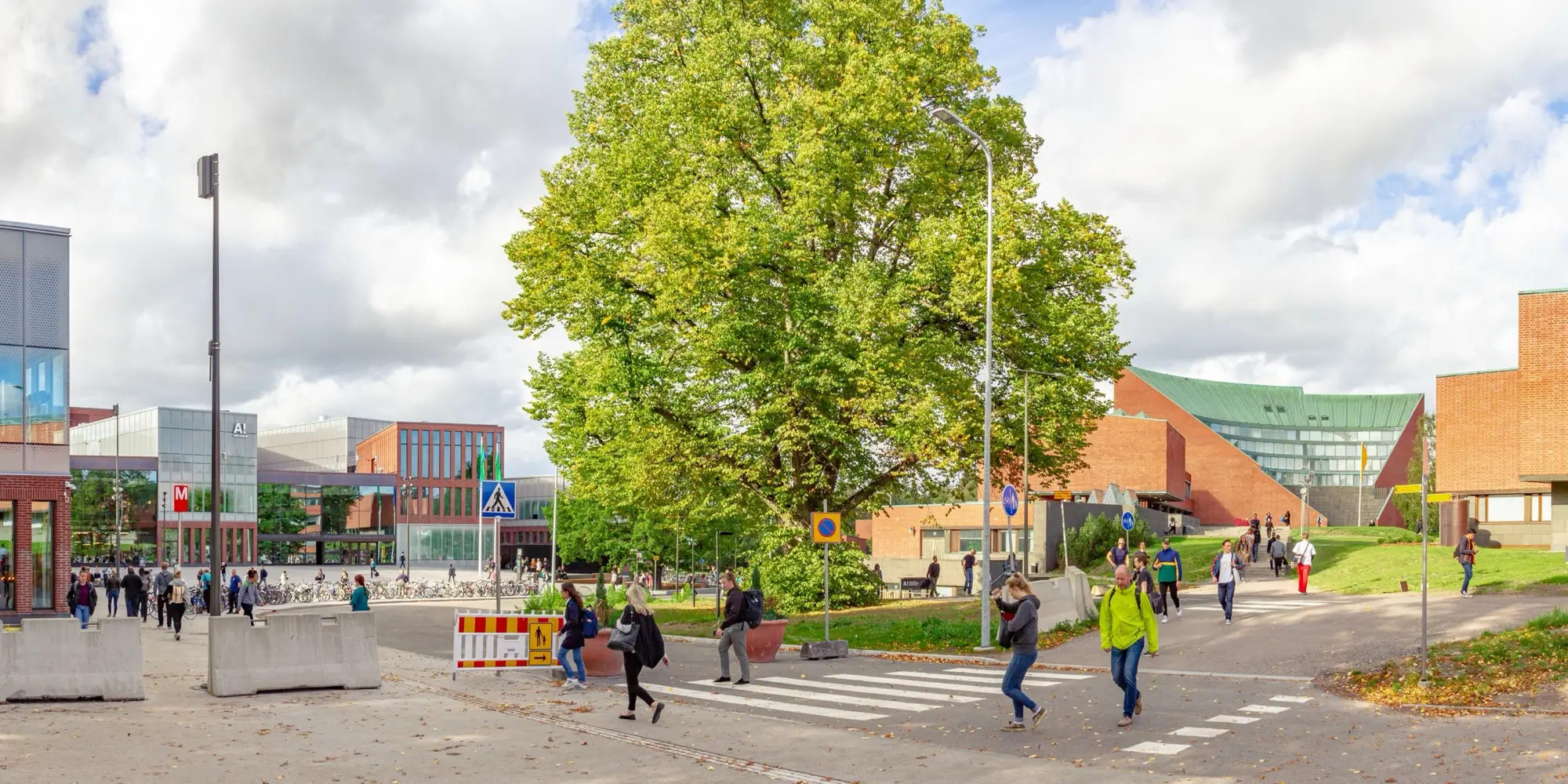
Finnish student life is organised to a degree that surprises most people from elsewhere. The student union, the student card, the subsidised lunch and the student health service fit together, and once you have the card, most of the rest follows from it. What follows is the practical side: money, the card, food, health care and work.
Money: what it costs to live as a student
Degrees taught in Finnish or Swedish are free, and so is everything for EU/EEA citizens. Students from outside the EU/EEA on English-taught programmes now pay tuition fees — the details are in studying in Finland.
For a realistic living budget, the best official yardstick is the one the Finnish Immigration Service uses: a student on a residence permit must show €800 a month for living costs (as checked on 26 September 2026). Rent is usually the largest part of this; see student housing in Finland.
Do not count on Kela. Students who moved to Finland in order to study do not get Finnish student financial aid. People who already live here permanently on other grounds may, and Kela benefits explains how that works.
The student union and the student card
At a university, every bachelor's and master's student belongs to the student union (ylioppilaskunta) by law, and the membership fee is confirmed by the rector. At a university of applied sciences, the student union (opiskelijakunta) is open to degree students, but membership is voluntary.
The student card is what unlocks the discounts below. It comes from your student union or your institution, either as a plastic card or digitally in apps such as Frank, Kide.app, Slice and Tuudo.
Student restaurants and the Kela meal subsidy
Lunch in a student restaurant is subsidised by Kela. In 2026, the subsidy is €2.80 a meal, and the price a student pays for a standard meal is at most €3.10; special meals made with more expensive ingredients cost €4.50–5.90 (as checked on 26 September 2026).
You qualify if you are studying for a bachelor's or master's degree at a Finnish university or university of applied sciences, and exchange students qualify too. Doctoral students do not. Show a student card that carries the name of your Finnish institution.
Health care: FSHS
The Finnish Student Health Service (FSHS, YTHS in Finnish) provides general, mental and oral health care to higher education students. Since 1 January 2021, it has covered students at universities of applied sciences as well as universities; before that, it was for university students only.
To use it, you must be enrolled as attending, and you pay a student healthcare fee to Kela: €35.35 a term in 2026, or €70.70 for the year (as checked on 26 September 2026). Nobody sends you a bill. You pay it yourself in OmaKela by 15 March for the spring term and by 15 November for the autumn term (if you registered by the end of January or September respectively). A late payment adds €5, and unpaid fees can be deducted from a study grant.
Three things catch newcomers out:
- Exchange students cannot use FSHS and do not pay the fee. Make sure your own insurance covers you.
- Degree students from EU/EEA countries, Switzerland or the UK who hold a valid EHIC or GHIC are exempt from the fee.
- If FSHS refers you to a service outside FSHS, that provider may charge a visit fee.
Travel discounts
VR, the national rail operator, gives full-time students with a valid Finnish student card 30% off long-distance single and multi-tickets, and 50% off commuter single and multi-tickets. Exchange students get the discount only with a Finnish student card, and a screenshot or a paper certificate is not accepted. City transport authorities run their own student discounts with their own residence and eligibility rules, so check the local rules when you arrive.
Credits, and what a year of study means
Finnish degrees are measured in credits (opintopiste, the same as ECTS). Sixty credits is a year of full-time study, about 1,600 hours of work, so a credit is roughly 27 hours. A university bachelor's degree is 180 credits and a master's 120. A UAS bachelor's degree always includes at least 30 credits of practical training — the placement is built in, not optional.
Working while you study
EU/EEA citizens can work without restriction. A student on a residence permit for studies may work up to 30 hours a week, and without a limit when the work is practical training or a thesis that belongs to the degree. No separate work permit is needed within these rules.
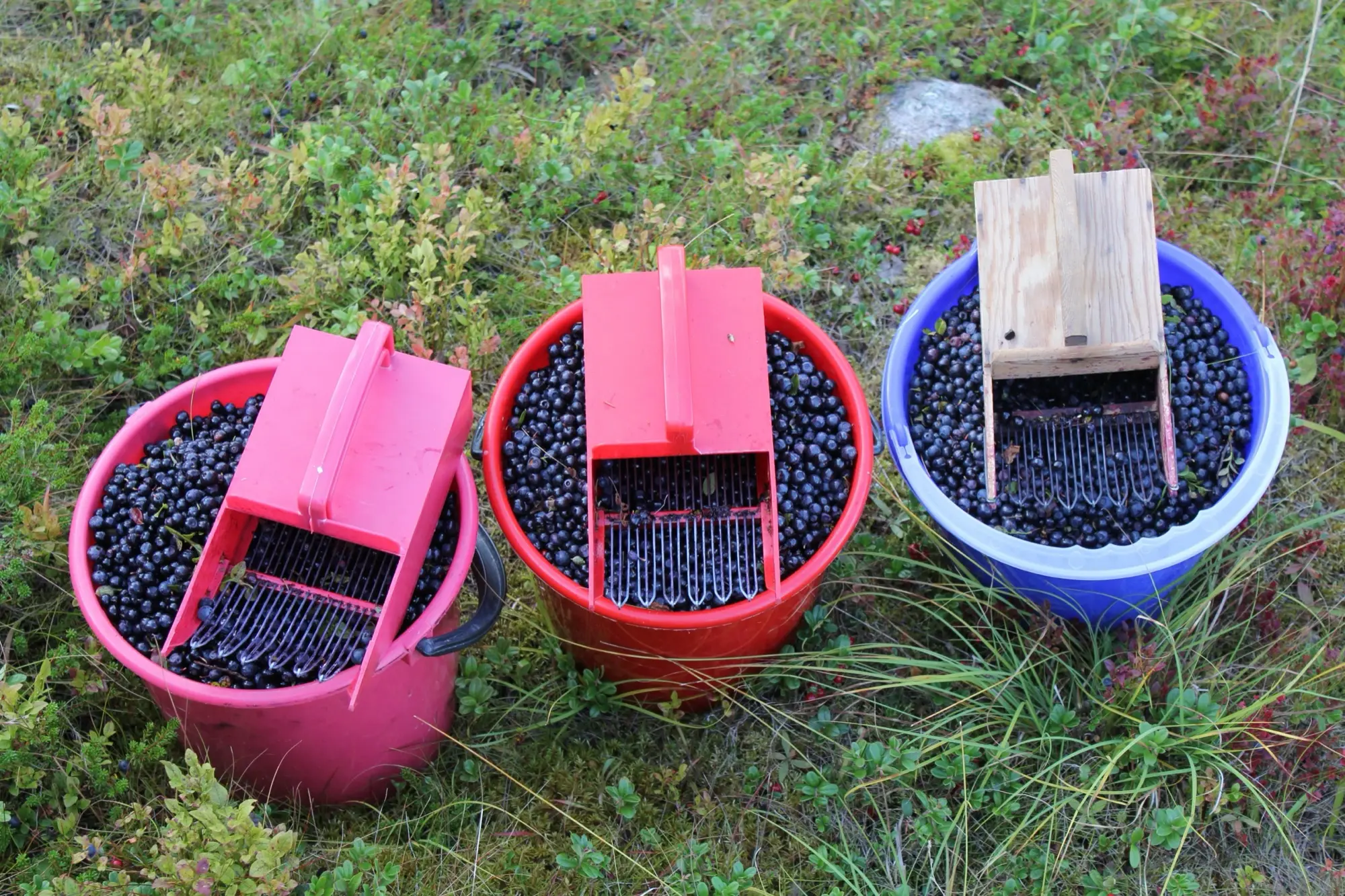
For where to look, see finding a job in Finland, and for summer money, see seasonal berry-picking work.
After graduation
A graduate can apply for a residence permit to look for work for up to two years, and can take it in up to three parts within three years. The general rules for permits are in residence permit conditions.
Winter
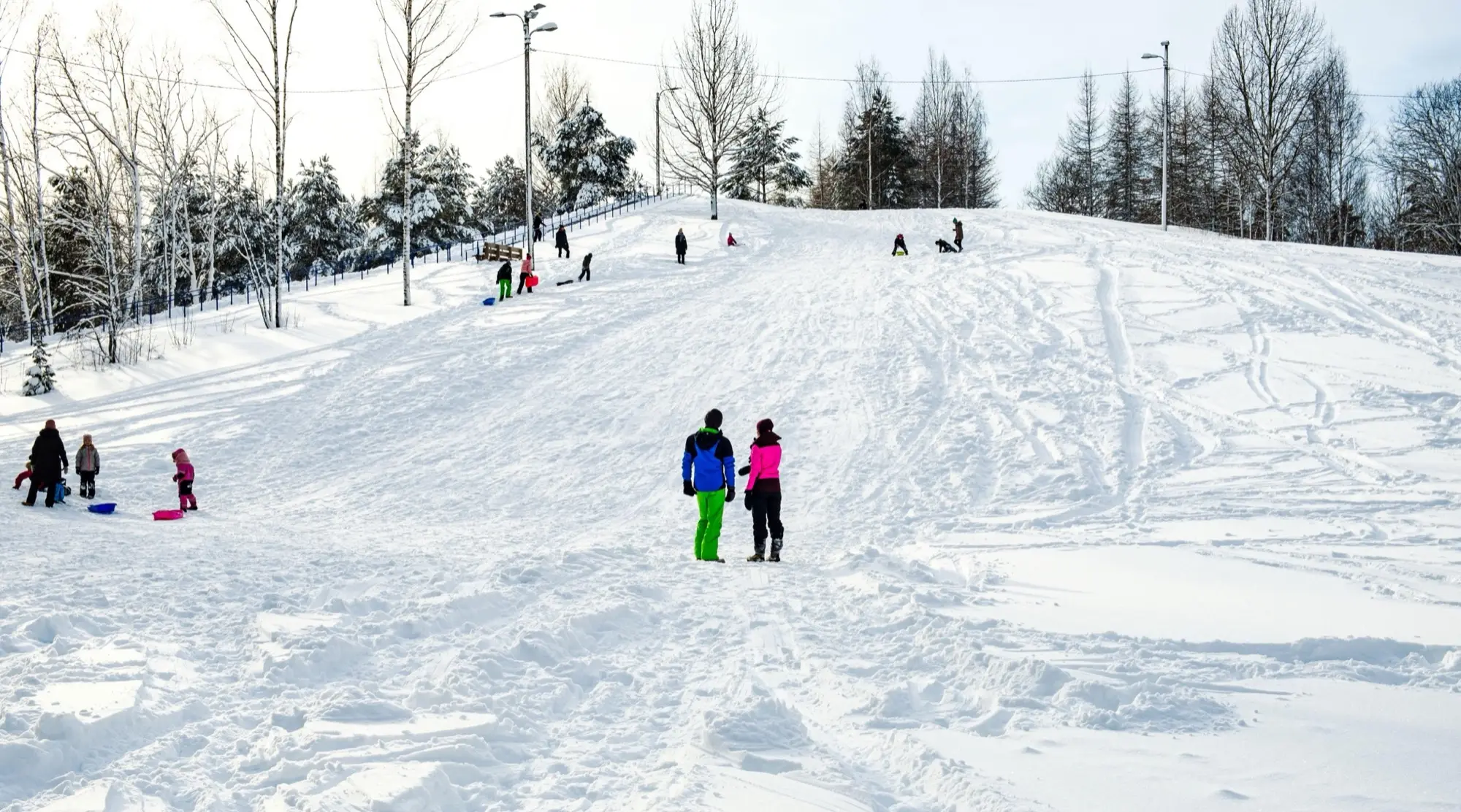
The winters are long and dark in a way that affects student life more than any timetable does — the Helsinki daylight page shows how short December gets.