Swedish workplaces are flat and informal (first names, managers included), trust people to organise their own work, and decide through discussion; meetings start on time; fika breaks and lunch matter; you are not expected to answer email after hours; the standard week is 40 hours, with at least 25 days of holiday and four weeks in summer.
This describes how the Swedish Institute (sweden.se) accounts for workplace culture in Sweden, though not every workplace is the same.
Swedish work culture in short
People at different levels work closely together, ideas count wherever they come from, and first names, managers included, are the norm. Employees are trusted to take responsibility for their work and have a lot of freedom in how they organise it. Meetings and appointments start on time. In daily practice, you are generally not expected to answer emails or calls outside working hours. If you are looking for employment, you can read about finding a job in Sweden as a foreigner. If you are preparing to move, broader social norms are covered in this guide to Swedish etiquette.
Flat structures and trust
Organisational structures tend to be horizontal rather than vertical. People at different levels work closely together, ideas count wherever they come from, and first names, managers included, are the norm.
Management styles rely heavily on delegation. Employees are trusted to take responsibility for their work and have a lot of freedom in how they organise it. Rather than waiting for step-by-step instructions from a supervisor, employees are encouraged to put forward ideas, take initiative and take responsibility for seeing tasks through to completion.
Meetings and decisions
Collaboration shapes the typical working day. Teams work across roles and departments, different views are valued, and discussion is part of decision-making; a lot happens in meetings.
Meetings and appointments start on time.
Fika, lunch and after work
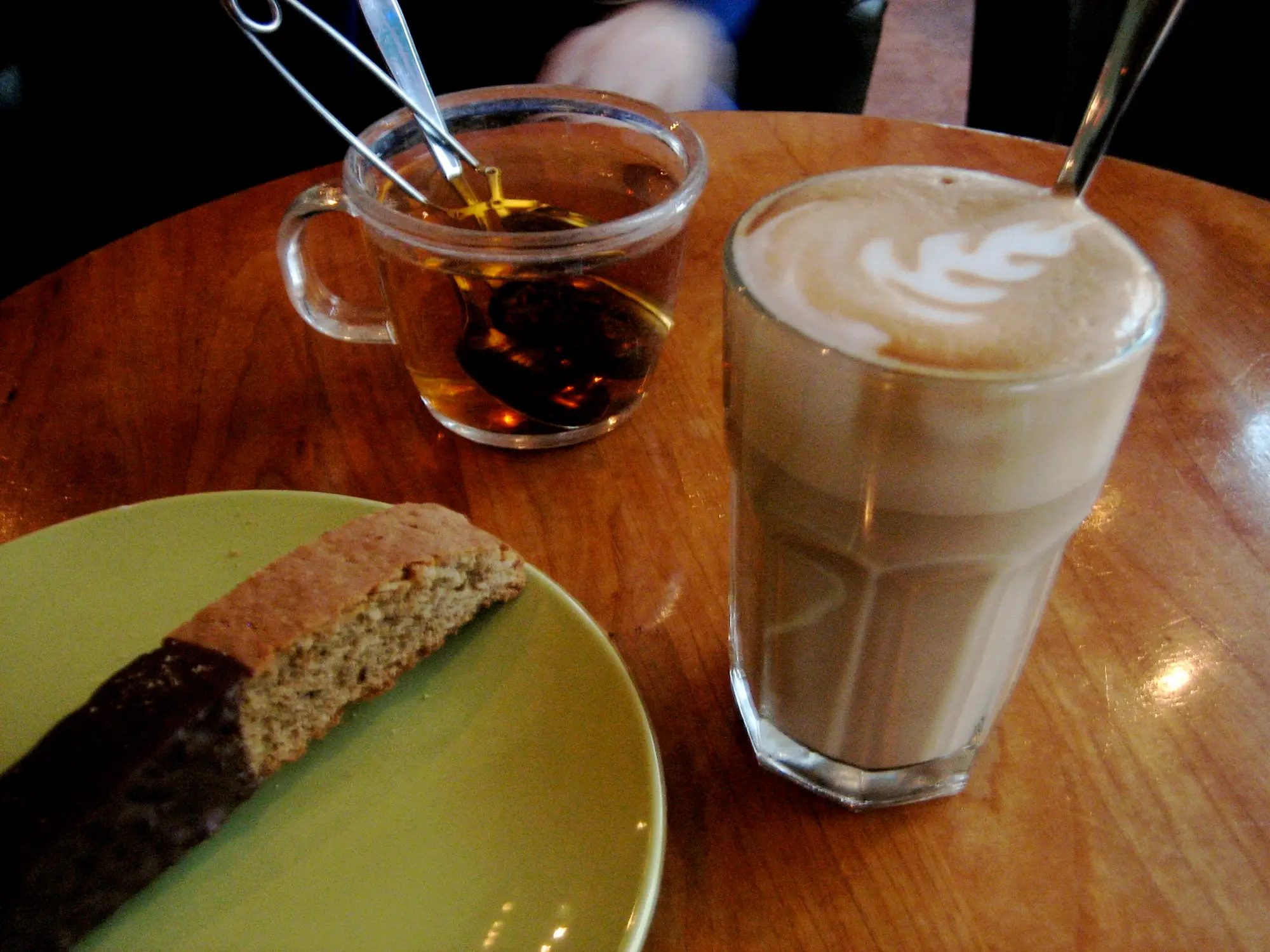
Workplace socialising centres on regular breaks. The central ritual is fika (a coffee break). Fika is a break to pause and talk with colleagues; at some workplaces it is spontaneous, at others a daily tradition, sometimes with colleagues taking turns to bake. To understand the wider tradition outside the office, see this introduction to fika.
Lunch habits vary depending on the workplace and personal preference. Some people bring a matlåda (a packed lunch box), and others go out to lunch together. Basic shared responsibilities apply to everyone: everyone, your manager included, puts their own cup in the dishwasher.
Social activities also extend past the end of the shift. An AW, short for after work, is a casual get-together with colleagues, often over a drink or a meal.
What to wear
Workplace dress reflects the wider informality of professional life. There is usually no need to dress up; dress codes are relaxed and full suits are less common.
Pay, agreements and unions
You can expect regular talks with your manager about performance, goals and salary; at most workplaces salaries are reviewed once a year. For immigration rules, read the guide to work permits in Sweden.
Many workplaces follow collective agreements between employers and trade unions, which set pay and conditions. You can read more about statutory terms in this overview of employment rights in Sweden. These collective frameworks regulate terms such as minimum salary floors, working hours, and notice periods. In line with this system, many employees belong to a union for their profession, which can advise on terms, contracts, pay and conditions.
Hours and holidays
Working life is structured around clear boundaries between professional duties and private time, supported by statutory rules on work-life balance and annual leave in Sweden.
| What | The norm |
|---|---|
| Working week | The standard working week is 40 hours, with collective agreements and rules limiting overtime. |
| Annual leave | Employees are entitled to at least 25 days of holiday a year, not counting public holidays. |
| Summer holiday | You have the right to four weeks in a row of summer holiday. |
| Communication outside work | You are generally not expected to answer emails or calls outside working hours. |