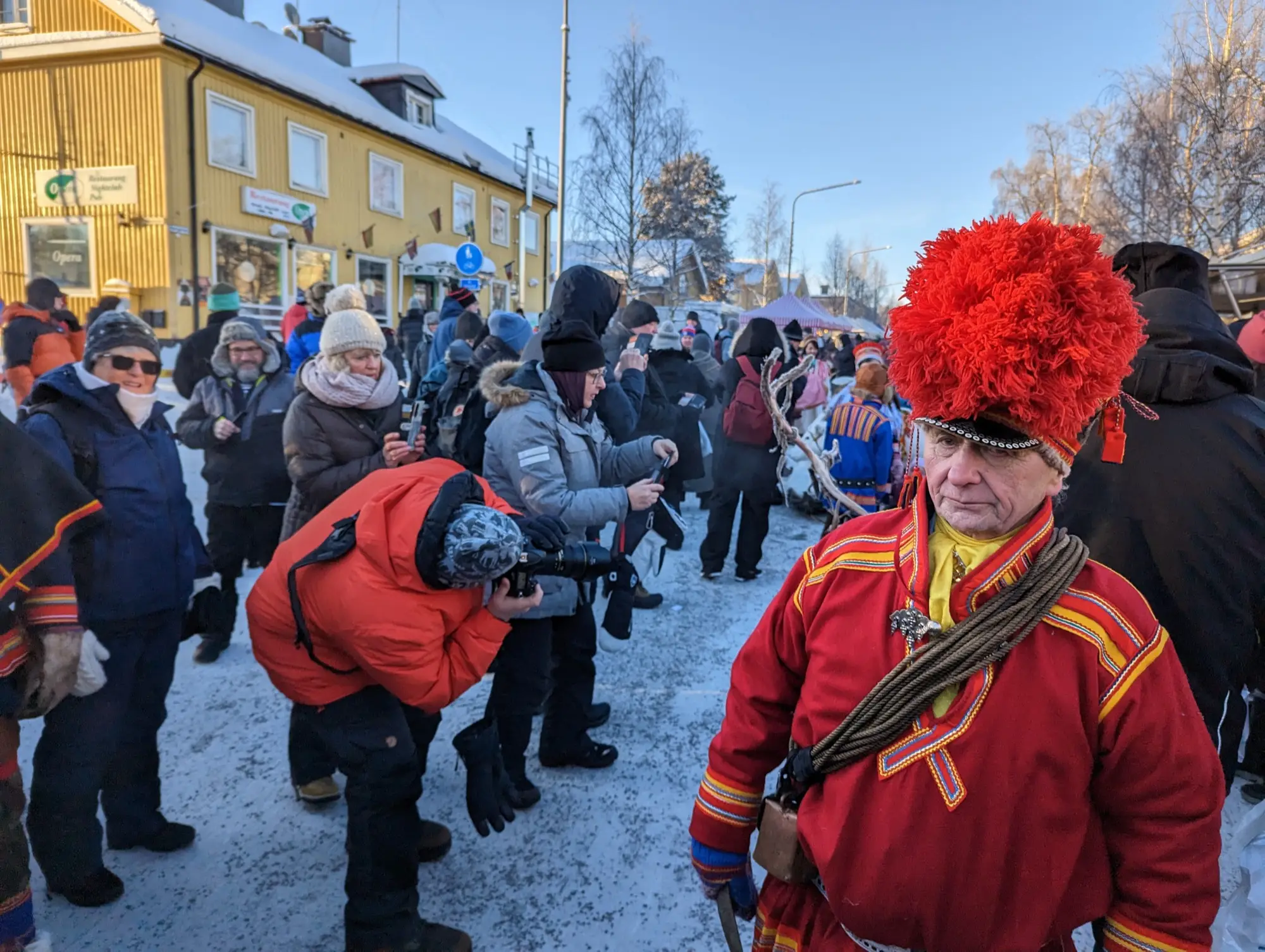

The Sámi are Sweden's Indigenous people, with an estimated population of between 20,000 and 40,000 living across around 35 per cent of the country in Sápmi, an ancestral territory that also spans Norway, Finland and Russia. You can experience Sámi culture directly at eight key places: Ájtte in Jokkmokk, the Jokkmokk winter market, Nutti Sámi Siida in Jukkasjärvi, Geunja in Ammarnäs, Laponia, Silvermuseet in Arjeplog, Jamtli and Gaaltije in Östersund, and Nordiska museet in Stockholm.
Who the Sámi are
The Sámi live in parts of Sweden, Norway, Finland and Russia, forming a borderless area called Sápmi, the land of the Sámi. Within Sweden, they have their own language, flag and parliament. The Swedish Sámi population of between 20,000 and 40,000 occupies roughly 35 per cent of Sweden's land area.
Many live in Swedish Lapland, stretching from Sorsele and Skellefteå in Västerbotten up to the northernmost tip of the country, though Sámi communities exist as far south as Dalarna. Kiruna is known as Giron in Sámi. Sámi is recognised as an official minority language in Sweden. It is of Uralic origin, with around ten distinct varieties spoken across Sápmi. Sámi National Day takes place on 6 February, marking the first Sámi congress held in Trondheim, Norway, in 1917.
Reindeer, joik and duodji
Reindeer herding remains both an active way of life and an essential source of income, carried out by around 5,000 reindeer owners, counting those who own only a single animal. Rather than using four calendar periods, the Sámi divide the year into eight seasons, giving a specific name to every mountain, stream and valley in their surroundings.
Cultural expression takes distinct auditory and physical forms:
- The joik: The joik (traditional vocal folk poetry) stands as one of Europe's oldest musical traditions. A joik does not merely describe an object; it often calls a mountain, an animal or an individual person directly.
- Duodji: Traditional handicraft, or duodji, uses natural and surplus materials including wood, bark, and every usable part of the reindeer, such as hide, antlers and bones.
- The kolt: The traditional costume, the kolt, is predominantly blue and features at least 12 distinct styles that differ between men and women.
1. Ájtte, Jokkmokk: the main museum of Sámi culture
Ájtte opened in June 1989 in Jokkmokk. It operates as the principal museum of Sámi culture in Sweden and documents the nature and culture of the surrounding mountain region. Visit Sweden designates Ájtte as the main museum and archive for Sámi culture in the country.
2. Jokkmokk winter market: 4 to 6 February 2027
The historic gathering in Jokkmokk has taken place each February for more than 400 years. The 2027 Jokkmokk market, the 422nd edition, runs from Thursday 4 February to Saturday 6 February 2027. The main market area stays open Thursday to Saturday from 10:00 to 18:00, while related cultural activities take place throughout the week, including evenings. If you plan an evening visit, you can monitor the Jokkmokk northern lights forecast for clear-sky conditions.
The event includes duodji stalls, food vendors, lectures, joik concerts and wider cultural programming. The official market programme is usually published in December, and visitors can contact the local tourist information office on 0971-222 50.
3. Nutti Sámi Siida, Jukkasjärvi
Located near Kiruna, the village of Jukkasjärvi is home to the Icehotel and functions as a primary centre for Sámi tourism. If you plan to visit or stay at the Icehotel in Sweden, the surrounding area provides access to these traditions. If staying in the area, check the Kiruna northern lights conditions during your trip. Nutti Sámi Siida operates a short walk from the Icehotel, offering activities across the entire year. During winter, visits feature folk tales told under the night sky. In spring, visitors can accompany a reindeer herder to observe newborn calves, followed by a meal served inside a lávvu, a traditional Sámi tent similar to a tepee. Guests can also stay at Reindeer Lodge, situated adjacent to Nutti Sámi Siida's herd, where they may assist with morning feeding.
4. Geunja Sámi eco lodge, Ammarnäs
Geunja Sámi Eco Lodge in Ammarnäs is an off-grid wilderness retreat managed by the Vinka family. Activities hosted at the site include guided boat trips, fishing, bird watching and wilderness hikes. Overnight guests sleep in traditional goahti huts or grass-roofed log cabins. Meals prepared for guests feature freshly caught fish alongside dishes such as reindeer stew, cooked over an open fire.
5. Laponia world heritage site
Laponia in Swedish Lapland is one of the few UNESCO World Heritage Sites inhabited by an Indigenous population, containing seven separate Sámi villages that herd reindeer across its territory. The protected landscape spans four national parks: Sarek, Padjelanta, Stora Sjöfallet and Muddus. For details on visiting these areas, see the guide to Sweden's national parks. Muddus features marked trails cut through old-growth forest, while Sarek contains glaciers and 2,000-metre peaks. The Kungsleden trail passes along the eastern edge of the area on its route toward the Kebnekaise mountain range.
6. Silvermuseet, Arjeplog
Silvermuseet, located in Arjeplog, presents the historical craft of Sámi silversmithing. The museum houses an extensive collection of worked silver pieces dating back to the Middle Ages.
7. Jamtli and Gaaltije, Östersund
Östersund lies within the South Sámi territory. The city's Jamtli museum features interactive Sámi historical exhibits alongside regular educational cultural events. Nearby, the Sámi information centre and Gaaltije retail space offer visitors access to Sámi crafts, regional literature, and homeware.
8. Nordiska museet, Stockholm
For those spending time on things to do in Stockholm, Nordiska museet holds the world's most extensive collection of Sámi cultural objects. Because the archive is vast, only selected parts of the collection are put on public display at any given time.
Buying duodji
When purchasing authentic handicraft, several recognised outlets support working craft makers:
- Jokkmokk: The Sámi craft association, Sameslöjdstiftelsen, runs the Sámi Duodji shop. Nearby, the shop Stoorstålka produces both traditional and contemporary crafts, clothing and homeware.
- Vilhelmina: Doris and Sven-Åke Risfjell run Risfjells Sameslöjd, creating many items on site, ranging from hand-woven wool blankets to engraved reindeer-bone letter openers.
- Stockholm: Both Svensk Hemslöjd and the Skansen museum shop stock Sámi items.
Sámi food
Sámi food revolves entirely around local, seasonal ingredients, incorporating wild herbs, roots, lingonberries and cloudberries gathered directly from the land. Reindeer meat features heavily across everyday cuisine, prepared in stews, sausages and dried cuts. In 2003, suovas, smoked reindeer meat, became Sweden's first Slow Food Presidia product. Elk, Arctic char and whitefish serve as other everyday dietary staples. Sámi herders traditionally take field breaks with kokkaffe, a strong coffee boiled in a pot over an open fire, often accompanied by dried smoked reindeer meat.
Visiting respectfully
Around 40 small enterprises operate Sámi tourism visits within Swedish Sápmi, many led by Sámi women. These businesses often run seasonal visitor programmes alongside the daily demands of herding reindeer. When selecting an operator, check for the Sápmi Experience quality seal. Visitors are reminded to respect Sámi culture and customs as guests in the ancestral land of the Sámi.