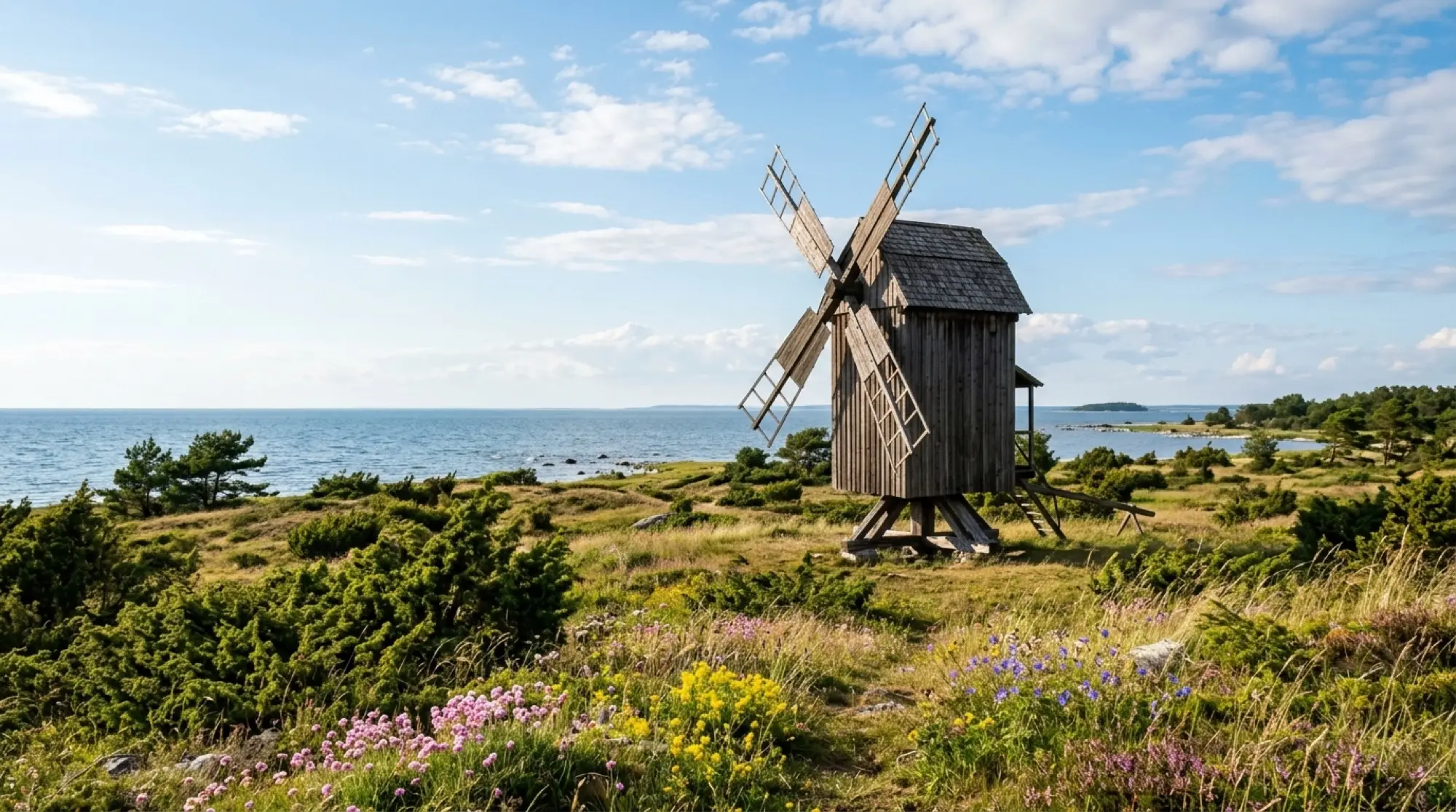
Late May through August is the easiest and warmest time to visit Estonia, bringing up to 18 hours and 40 minutes of daylight, open Old Town towers, full Baltic island ferry schedules and warm water in shallow coastal bays. If you want quiet bog boardwalks and autumn colour at lower hotel rates, aim for September and early October; for a dark, atmospheric winter break, book between 20 November 2026 and 6 January 2027 while the Tallinn Christmas Market is open. Early November before the market starts and slushy March are the greyest city weeks, though late March and early April bring dramatic snowmelt canoeing in Soomaa.
The short answer by trip type
Estonia's flat coastal geography and northern latitude create distinct windows depending on whether you are staying in Tallinn or touring the countryside and islands, as outlined on Visit Estonia's seasonal guide:
- Late May to August: warmest weather and longest days, with coastal resorts in Pärnu, Haapsalu and Saaremaa, Old Town spires and museums running on full summer hours.
- September to early October: crisp walking weather, crimson sphagnum moss across the peat bogs, golden manor parks and noticeably lower hotel rates than July and August.
- 20 November 2026 to 6 January 2027: the Tallinn Christmas Market anchors Estonia's winter city-break season, followed by quieter, colder weeks in January and February.
Daylight and temperatures from winter to the June white nights
At 59.4°N in Tallinn, the daylight swing between December and June shapes every day's itinerary. On the 21 December winter solstice, the sun rises at 09:18 and sets at 15:20, leaving 6 hours and 2 minutes of daylight. Six months later on 21 June, sunrise is at 04:03 and sunset at 22:42 for 18 hours and 40 minutes of daylight, and from May through mid-August the sun never drops 18 degrees below the horizon, leaving bright northern valged ööd (white nights) across midnight. Check exact sunrise and sunset times for your travel week on the Tallinn daylight table.
According to climate normals from the Estonian Environment Agency (Keskkonnaagentuur), July is Estonia's warmest month, with average daytime highs of 21°C to 23°C, occasional continental warm spells reaching 28°C to 30°C, and shallow bay water at Pärnu and Haapsalu warming to 18°C to 21°C. January and February are the coldest months, averaging -2°C to -6°C on the milder Baltic islands and Tallinn coast and -6°C to -8°C inland around Tartu and Otepää, with cold snaps dropping below -15°C.
Late May to August for islands, beaches and Midsummer bonfires
Summer unlocks coastal Estonia in a way winter cannot. June to August is the prime window for driving or cycling the western islands of Saaremaa and Hiiumaa, served by TS Laevad car ferries from Virtsu (27 minutes to Kuivastu) and Rohuküla (1 hour 15 minutes to Heltermaa); if you are taking a car on a summer weekend, book your ferry slot several days ahead. Back in Tallinn, major museums switch to seven-day-a-week schedules from May to September, St Olaf's viewing platform runs from 1 April to 31 October, and the Gothic Town Hall tower opens exclusively between 1 June and 31 August.
Watch the calendar around Midsummer if you travel in late June. Victory Day on 23 June and Midsummer Day (Jaanipäev) on 24 June are consecutive national public holidays: Estonians leave the cities for country cottages and the islands to light bonfires on the bright night of 23 June, city shops and restaurants close or shorten hours, and island ferry queues peak.
Spring snowmelt in Soomaa and autumn colours on the bogs
Outside summer, Estonia's wild wetlands put on three standout natural seasons. In late March and early April, rapid spring snowmelt swells four rivers in Soomaa National Park in southwestern Estonia, flooding up to 175 square kilometres of meadows and forests in what locals call the fifth season, explored by guided canoe and bog-shoe outings.
Along the west coast, April to May and September to October bring millions of migratory geese, cranes and waders through Matsalu National Park. September and October are also the best months to hike RMK's wooden boardwalks across Viru Bog, Kakerdaja Bog and Meenikunno Bog, once midsummer mosquitoes have disappeared and before November frost makes unpainted planks slippery; see how to reach Viru Bog by bus or car in our Tallinn day trips guide.
Winter in Tallinn, frozen waterfalls and rare aurora storms
December suits a short urban break despite 6-hour days: Tallinn's Harju Street ice rink opens daily from 10:00 to 22:00, and Town Hall Square's market huts trade until 20:00 with hot mulled drinks until 22:00 or 23:00. When sustained sub-zero spells settle in during January and February, Jägala Waterfall and 30-metre Valaste Waterfall on the northern limestone cliff freeze into solid curtains of icicles, and cross-country ski trails open in the hills around Otepää.
Between the second half of August and late April, dark nights also allow occasional northern lights sightings over Estonia's north-facing Gulf of Finland shore during strong G2 (Kp 6) geomagnetic storms, peaking statistically near the September to October and March equinoxes; check tonight's odds on our Tallinn aurora page. By contrast, early November before 20 November and city weeks in March often sit around 0°C to 5°C under overcast skies with rain or thawing slush, so bring waterproof boots and a windproof shell, and compare across the gulf in our guide to the best time to visit Finland.