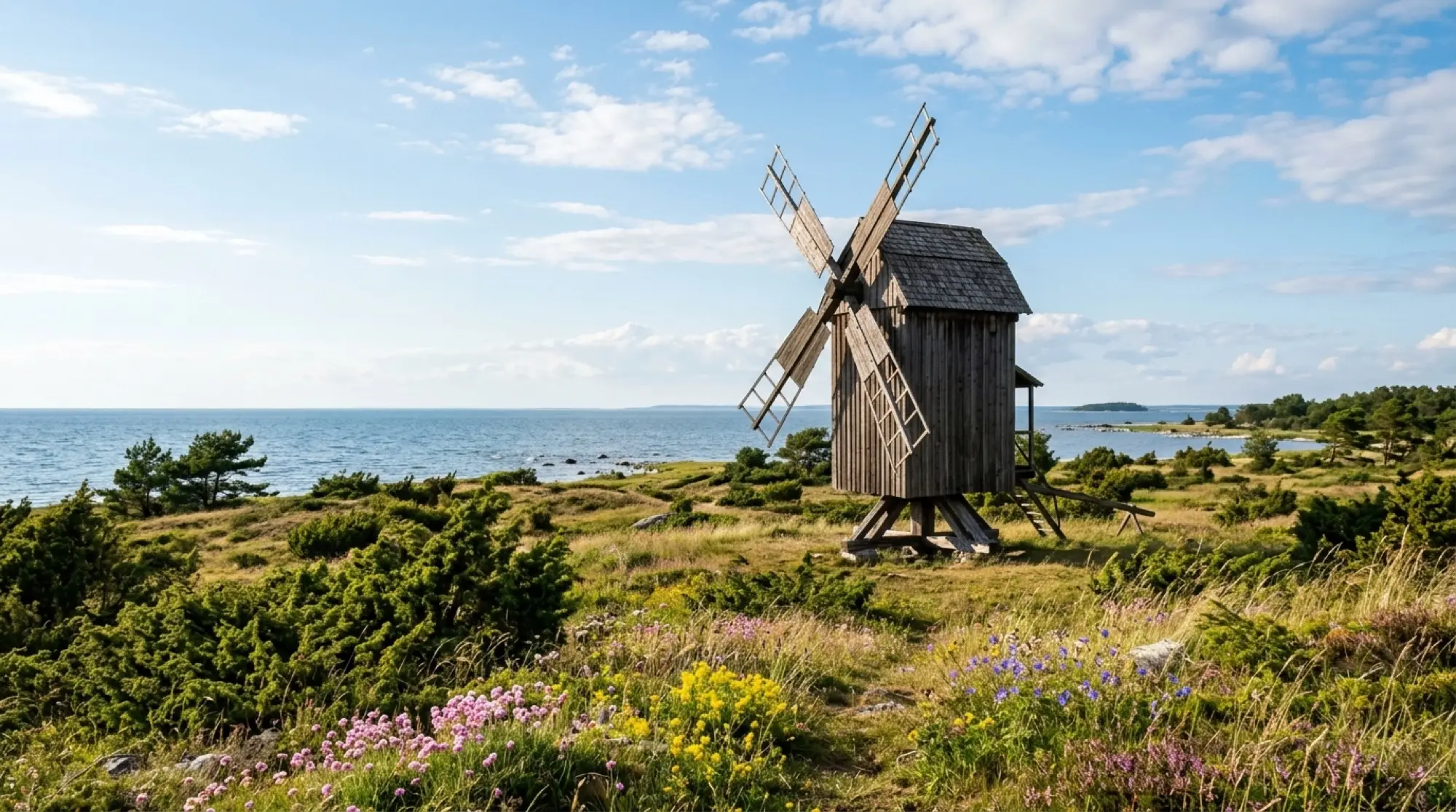
Plan a trip to Estonia
Medieval Tallinn, bog boardwalks, Baltic islands, ferries across the Gulf of Finland, and real 2026 prices.
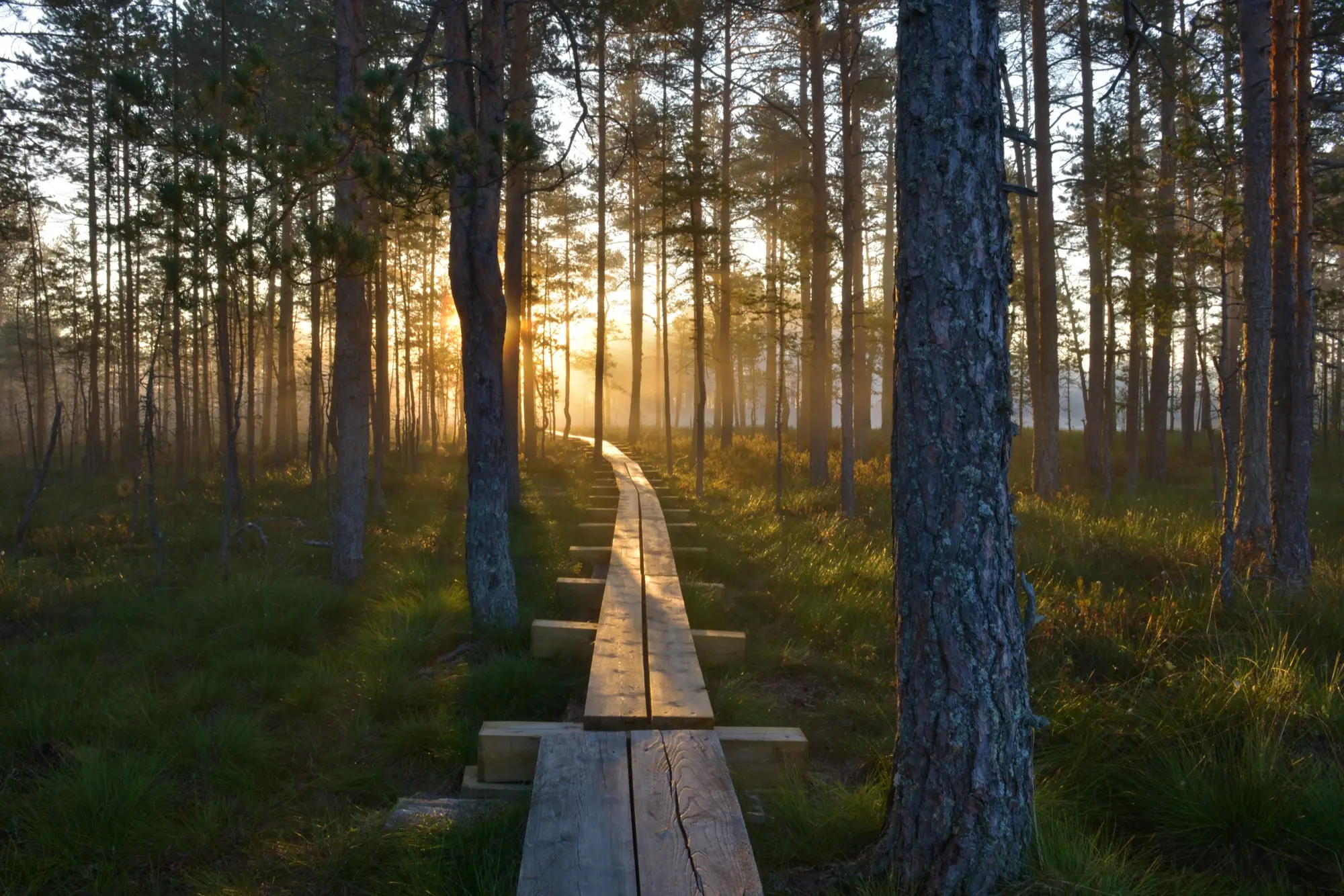
Estonia bog walks and spa towns: 6 of each
Discover six bog walks and six spa towns across Estonia, including Viru, Soomaa, Pärnu and Kuressaare, with trail lengths, access notes and distances from Tallinn. Estonia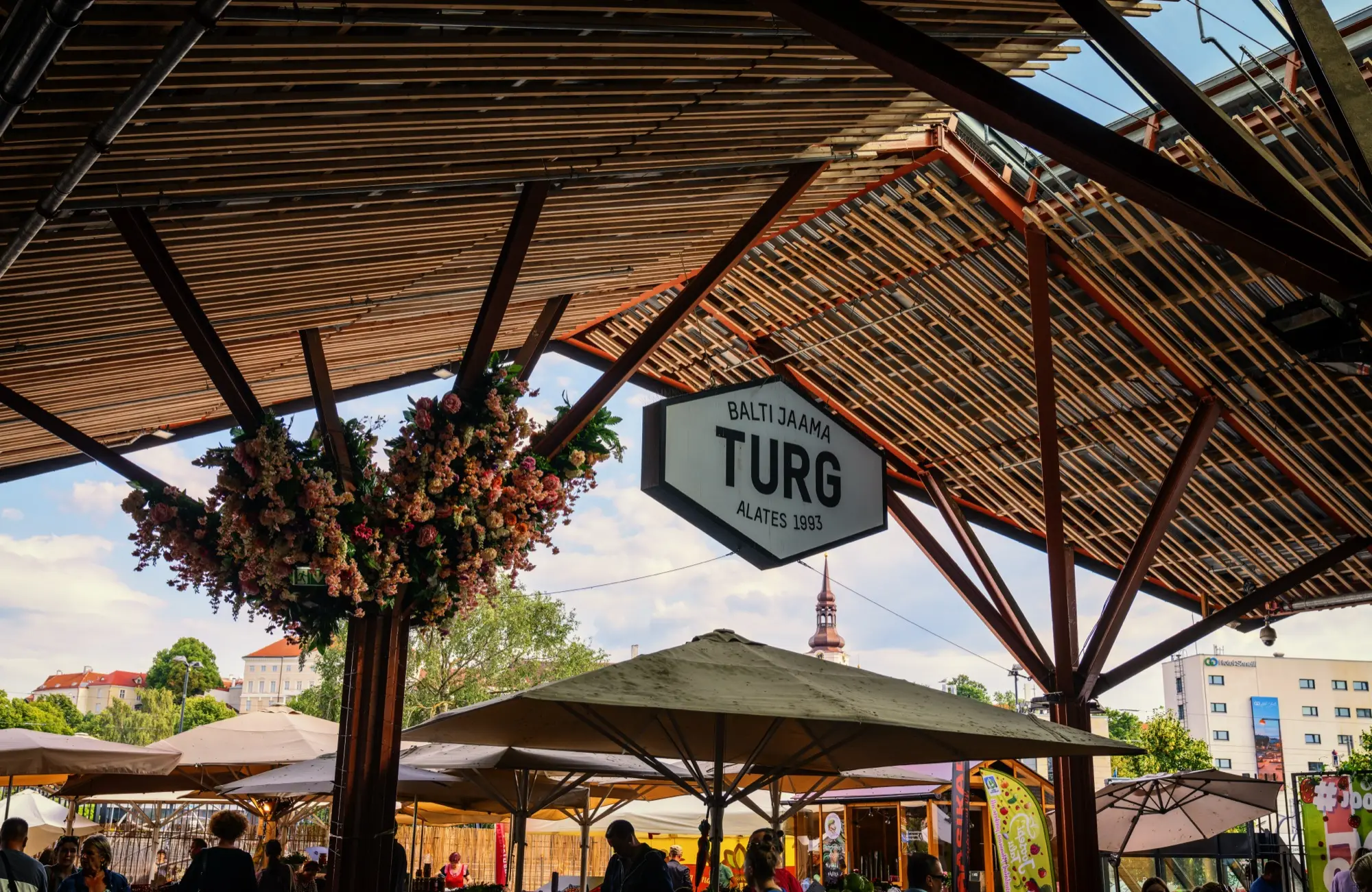
Estonian food: 12 dishes and where to eat them
Discover twelve traditional Estonian dishes and drinks, from black rye bread and sprats to mulgipuder and blood sausage, including where to try them. Estonia
Is Estonia expensive? 2026 prices and budgets
Estonia is cheaper than Finland and the Nordics (Eurostat index 101 vs Finland 124), with €5.50 daily Tallinn transit and €6.50 lunches. EstoniaSeasons across Estonia: white nights, raised bogs and winter markets
Estonia’s travel year splits cleanly between bright Baltic summers, quiet bog-walking shoulder months, and crisp winter city breaks. Late May through August brings seventeen- to eighteen-hour days, outdoor terraces across Tallinn’s Telliskivi and Noblessner harbour quarters, beach weather in Pärnu, and ferry trips to the juniper coasts and spa towns of Saaremaa and Hiiumaa around Midsummer (23 and 24 June). Late March and early April bring the snowmelt “fifth season” in Soomaa National Park, when canoeists paddle across flooded meadows and alder woods, while September and October turn the boardwalks of Viru Bog in Lahemaa National Park deep amber and crimson.
From late November to early January, six-hour winter days make central Tallinn glow from mid-afternoon, anchored by the Town Hall Square Christmas market on Raekoja plats (20 November 2026 to 6 January 2027). Keep Monday museum closures and seasonal tower schedules in mind between October and April: St Olaf’s church spire closes for winter at the end of October, and the Gothic Town Hall tower opens only from June to August.
Arriving by Helsinki ferry or air, and travelling around Estonia
Tallinn is one of Europe’s easiest capitals to reach without a long airport transfer. Tallink Silja, Eckerö Line, and Viking Line run frequent daily car and foot-passenger ferries across the 87-kilometre Gulf of Finland from Helsinki in two to two and a half hours, docking at Terminal D or Terminal A a fifteen-minute walk from the medieval walls. Travellers flying into Lennart Meri Tallinn Airport (TLL) sit just four kilometres from the centre, connected in fifteen minutes by city bus line 2 on a €2 contactless tap (capped at €5.50 per day).
Beyond Tallinn, Elron orange diesel and electric trains run smoothly from Balti jaam beside the Old Town to the university city of Tartu in just over two hours, east to Narva, and southwest toward Viljandi, while Tpilet intercity coaches serve Pärnu, Haapsalu, and Kuressaare. Estonia uses the euro (EUR), contactless cards work everywhere from museum desks to forest-park cafés, and consumer prices sit right near the European Union average, well below Finland, Sweden, Denmark, Norway, and Iceland.
- Best time to visit Estonia: month-by-month seasons and daylight: Compares June white nights, Soomaa’s spring flood season, autumn bog hikes in Lahemaa, and December Christmas market daylight.
- Is Estonia expensive? Real 2026 prices compared with the Nordics: Sets out Eurostat price indices, 24% VAT, museum and transit fares, restaurant and hotel budgets, and the €0.10 bottle deposit.
- Tallinn city guide: Old Town, Kalamaja, Kadriorg and transport: Walks through Toompea viewpoints, Seaplane Harbour, Telliskivi, airport and harbour trams and buses, and contactless fare caps.
- Tallinn Christmas Market 2026: dates, hours and ferry timing: Gives confirmed 20 November 2026 to 6 January 2027 dates, daily stall and glögi hours on Raekoja plats, and walking routes from the harbour.
- Tallinn Card: is it worth it in 2026?: Calculates summer and winter break-even itineraries for 24-, 48-, and 72-hour cards against museum family tickets and €5.50 day caps.
- Day trips from Tallinn: Viru Bog, Lahemaa, Tartu, Haapsalu and Pärnu: Covers Elron train times to Tartu, bus and car routes to Lahemaa and Jägala Waterfall, coastal Haapsalu, and Pärnu.
- Helsinki to Tallinn ferry: terminals, operators and day-trip boats: Explains which ship sails from West Terminal 2 versus Katajanokka, how to get ten hours ashore, and Schengen ID rules.