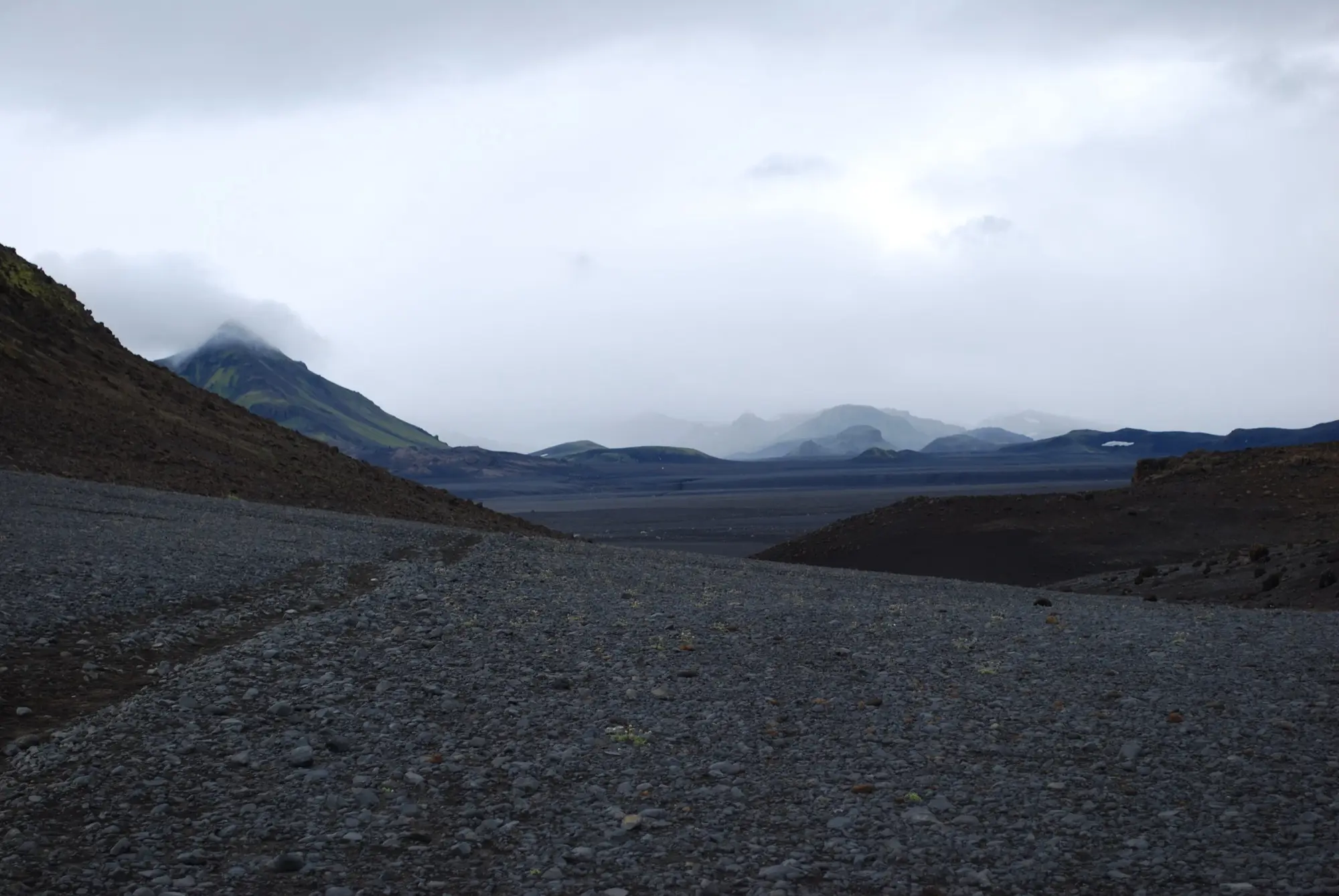

Wear three layers: a wind- and waterproof outer layer, a wool or fleece middle layer, and a thin wool or synthetic base layer. Leave cotton behind, pack a hat and gloves even in summer, bring waterproof boots with wool socks, and carry a swimsuit. Your seasonal add-ons then handle daylight, rain and wind.
The three layers
Safetravel, the safety site run by the Icelandic search-and-rescue association, warns that travellers often underestimate the combination of wind, rain and cold, and that the danger of hypothermia is real, even in summer. The official tourism board, Visit Iceland, points out that the weather changes quickly and the seasons blend into one another, so dressing in layers is the answer. Safetravel advises that wool and synthetics perform best outdoors, and stresses that it is important not to use cotton.
Build your clothing system with these three stages:
- Base layer: thin wool or synthetics next to your skin. Safetravel highlights that it is important not to use cotton.
- Middle layer: an insulating piece made of wool or fleece, synthetic material or down to trap body heat.
- Outer layer: a wind- and waterproof shell.
What to pack in every season
Whatever time of year you arrive, basic outdoor gear remains the same. Safetravel notes that thermal gloves and headwear are essential because it can get cold in Iceland even in summer, and advises travellers to bring warm, waterproof shoes along with socks made of wool or synthetics. Visit Iceland also explicitly tells travellers to leave cotton and jeans behind.
Visit Iceland's all-season basics comprise:
- A wind- and waterproof jacket
- A wool or fleece sweater as a middle layer
- A thin wool or synthetic base layer
- A headband or hat, and gloves even in summer
- Warm waterproof hiking boots
- Waterproof trousers
- Warm wool or synthetic socks
- Sunglasses
- A bathing suit
If you want an authentic wool middle layer after you land, read about Icelandic sweaters to find an authentic lopapeysa (traditional Icelandic wool sweater).
Summer, May to August: light, not heat
Visit Iceland defines summer as the period running from May to August. The 1991-2020 mean temperature for July is about 11.7 °C in Reykjavík and about 11.2 °C in Akureyri. Computed on this site on our Reykjavík daylight page, on the summer solstice, 21 June, the sun rises in Reykjavík at 02:55 and sets at 00:04. This gives 21h 10m of daylight, meaning it is never dark enough for the aurora.
For travellers planning Iceland in summer, Visit Iceland's summer add-ons include:
- T-shirts
- Sun lotion
- Rain trousers and a jacket
- A sleeping mask
Winter, October to April: wind and dark
Visit Iceland groups October to April as winter, warning travellers of fierce winds alongside snow or rain coming sideways. The 1991-2020 mean temperature for October is about 4.9 °C in Reykjavík and about 3.5 °C in Akureyri, while the 1991-2020 mean temperature for January is about 0.7 °C in Reykjavík and about -0.5 °C in Akureyri.
Computed on this site, on the winter solstice, 21 December, the sun rises in Reykjavík at 11:22 and sets at 15:29, leaving 4h 06m of daylight, though it is dark enough for the aurora for 12h 58m. Safetravel warns that in the dark it is easy to step into holes or slip on ice, and advises bringing a headlamp or a flashlight other than your phone light. When preparing for Iceland in winter, pack these winter add-ons listed by Visit Iceland:
- A water- and windproof winter jacket or parka
- Long underwear in wool or synthetics
- Warm water- and windproof gloves and hat
- Water- and windproof outdoor trousers
Spring and autumn
Visit Iceland's line on the weather is that if you do not like it, wait five minutes. In the 1991-2020 averages, the mean temperature for April is about 3.6 °C in Reykjavík and about 2.6 °C in Akureyri, while the October mean is about 4.9 °C in Reykjavík and about 3.5 °C in Akureyri.
In thirty-year averages recorded by the Icelandic Met Office (IMO) for Reykjavík, May is the driest month of the year with 43.8 mm of precipitation, whereas October is the wettest month with 85.6 mm.
For the swimming pools and lagoons
A bathing suit is listed on Visit Iceland's all-season basics. Bringing your own saves rental charges at municipal baths. Since 5 May 2026, entry fees set by the City of Reykjavík mean a single swim at a Reykjavík city pool costs 1,500 kr. for adults and 400 kr. for children aged 10-17, while children aged 0-9 accompanied by a guardian enter free of charge.
If you rent gear at a city pool, swimwear rental costs 1,270 kr. and towel rental costs 860 kr. Alternatively, you can pay a combined fee of 2,770 kr. for a swim ticket with a towel and swimsuit included. If you plan to visit geothermal spots, read our comparison of the Blue Lagoon vs Sky Lagoon.
For hiking
When preparing for hiking in Iceland, carry a waterproof backpack and keep extra clothing dry in it. Visit Iceland states that a waterproof backpack is a must, with an extra set of warm socks, trousers and shirts in case you get wet crossing rivers.
Safetravel says thermal gloves and headwear are essential because it can get cold in Iceland even in summer.
For a nice dinner, and the rest
Visit Iceland notes that Icelanders like to dress up indoors, so pack something smart for fine dining.
Tap water is safe to drink all around the country, so there is no reason to buy bottled water.
If you bring your own riding gear, special rules apply, and it must be properly cleaned and disinfected before it enters the country.
If you forget something
Visit Iceland explains that many outdoor stores sell clothing made for Icelandic conditions, and you can also rent outdoor clothes. Safetravel suggests renting equipment from local outdoor stores instead of buying or bringing your own, and answers packing questions at [email protected].