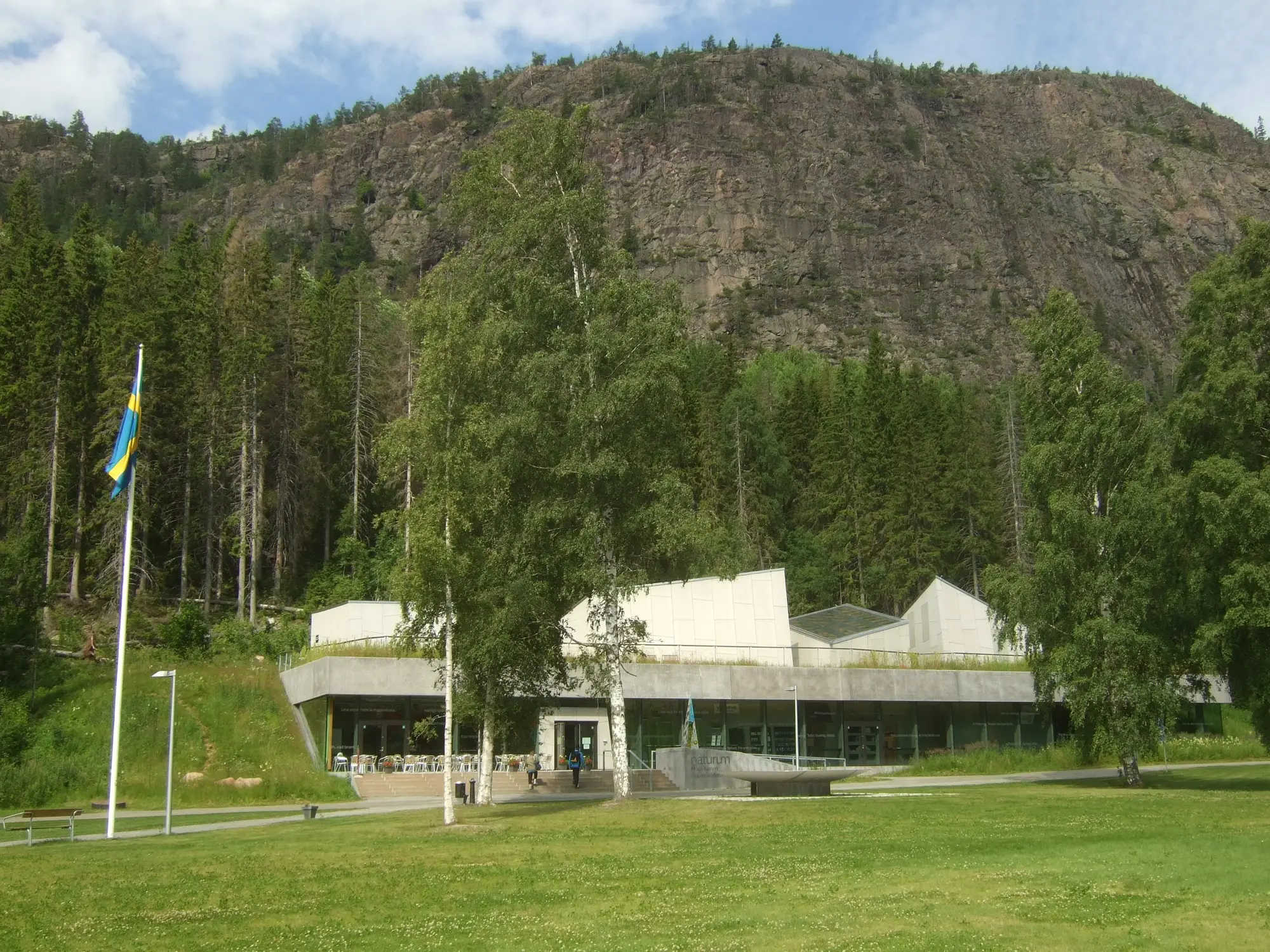

From south to north, the best places to visit in Sweden are Malmö, Lund, Helsingborg, and Österlen in Skåne; Småland; Gothenburg; Stockholm, its archipelago, and Uppsala; Gotland and Visby; Dalarna; the High Coast; and in the far north Abisko and Kiruna with the Icehotel.
Sweden's best places at a glance
Sweden stretches almost 1,600 km from south to north, has 31 national parks, and almost 70 per cent of it is forest. The country offers a broad spread of travel destinations, ranging from coastal towns in the south to arctic mountains in the north. If you plan to drive between regions, read our guide to road trips and driving rules in Sweden.
| Place | Region | Why go | One fact |
|---|---|---|---|
| 1. Malmö | Skåne | Urban cycling and waterfronts | Third-largest city in Sweden |
| 2. Lund | Skåne | Historic architecture and cathedral | Celebrated its 900th cathedral anniversary in 2023 |
| 3. Helsingborg | Skåne | Coastal strait and short ferry trip to Denmark | Cross to Helsingør in 20 minutes |
| 4. Österlen and Ale's Stones | Skåne | Sandy beaches and megalithic monuments | Ale's Stones has 59 five-tonne boulders |
| 5. Småland | Småland | Lakes, reserves, and storybook heritage | Astrid Lindgren's World had nearly 500,000 annual visitors |
| 6. Gothenburg | West Coast | Historic neighbourhoods and car-free islands | Haga was ordered by Queen Kristina in the mid-17th century |
| 7. Visby | Gotland | Intact medieval townscape and walls | UNESCO World Heritage Site since 1995 |
| 8. Gotland and Fårö | Gotland | Limestone shores, meadows, and sea air | Free six-minute ferry to Fårö |
| 9. Stockholm | Capital region | Historic island centre and seasonal markets | Stortorget has Sweden's oldest Christmas market, started in 1837 |
| 10. The Stockholm archipelago | Capital region | Island day trips and boat transit | More than 30,000 islands across over 650 square miles |
| 11. Uppsala | Uppland | Quick rail link from Stockholm and Arlanda | 18 minutes by train from Arlanda's Sky City station |
| 12. Dalarna | Central Sweden | Traditional folk dress and summer gatherings | Folk costumes identify the wearer's parish |
| 13. The High Coast | Northern coast | Coastal walking through rising land | 135 km trail across a UNESCO World Heritage Site |
| 14. Abisko | Lapland | Accessible arctic valley and mountain lake | Framed by Torneträsk, Scandinavia's largest mountain lake |
| 15. Kiruna and the Icehotel | Lapland | Arctic climate and seasonal ice construction | Kiruna is 200 km north of the Arctic Circle; the Icehotel is rebuilt each winter from Torne river ice |
1. Malmö
Malmö is Sweden's third-largest city. It is ranked among the world's top ten cycling cities, with dedicated bike lanes and waterfront paths that you can explore on a rented bike. If you are planning an urban stay in the south, review things to do in Malmö to organise your days.
2. Lund
At almost a thousand years old, Lund is one of Sweden's oldest cities, defined by its medieval centre and cobbled streets. With over 700,000 visitors a year, Lund Cathedral is Sweden's most visited church. The cathedral celebrated its 900th anniversary in 2023. You can see how to fit the church and town centre into your itinerary with this guide to Lund.
3. Helsingborg
Located on the narrowest part of the Öresund, Helsingborg is often described as "two countries, one destination". Denmark is directly visible across the water. The passenger and car ferry to Helsingør takes 20 minutes and runs frequently throughout the day.
4. Österlen and Ale's Stones
Österlen, situated in the south-east of Skåne, is known for its white sandy beaches. You can visit in spring or autumn to avoid the summer crowds. On the south coast sits Ale's Stones, a ship-shaped megalithic monument consisting of 59 five-tonne boulders, thought to date from about 1,400 years ago.
5. Småland
Småland features over 5,000 lakes and rivers, 200 km of coastline, and 400 nature reserves. It is also home to Astrid Lindgren's World in Vimmerby, her birthplace. The park opened in 1981 and, by Visit Sweden's count, had nearly 500,000 visitors a year. You can read more about planning a trip to the area in this guide to Småland and Astrid Lindgren's World.
6. Gothenburg
Haga was planned as Gothenburg's first suburb in the middle of the 17th century, on the orders of Queen Kristina. Today, you can combine a stroll through its historical streets with trips out to sea; you can find details on key city landmarks under things to do in Gothenburg. The islands of the southern archipelago are car-free and reached all year round on the Styrsöbolaget ferries.
7. Visby
Visby has been a UNESCO World Heritage Site since 1995 for its well-preserved medieval architecture, standing as one of northern Europe's best-preserved medieval towns. The 3.4-kilometre city wall, Ringmuren, features original towers from the 1200s, encircles the inner town, and provides a continuous walking route around the centre. Use this dedicated guide to Visby to arrange your visit.
8. Gotland and Fårö
Gotland's coastline, when counted with Fårö, runs to 800 km, and the island has more than 100 nature reserves. Fårö sits just north-east of the main island and is reached via a free six-minute ferry ride from Fårösund. The island of Fårö is formed entirely of limestone, featuring sandy beaches, open fields, and meadows. You can review more island transport and sites in things to do on Gotland.
9. Stockholm
Gamla stan (the Old Town) is Stockholm's oldest district, located on an island right in the middle of town. The first settlement dates from the Middle Ages, though most of its buildings stand from the 16th and 17th centuries. Stortorget's Christmas market, first held in 1837, is Sweden's oldest market of its kind, and in 2026 it runs every day from 22 November to 23 December. Read about the capital's central sights under things to do in Stockholm.
10. The Stockholm archipelago
The Stockholm archipelago is Sweden's largest archipelago, comprising over 30,000 islands across more than 650 square miles. It begins just 20 minutes from the city. Fjäderholmarna, Vaxholm, Gustavsberg, Värmdö, and Grinda are located within an hour of the capital by local transport or ferry. If you want to travel further out, Sandön, Möja, Nåttarö, Utö, and Finnhamn are a couple of hours away.
11. Uppsala
Uppsala sits just north of the capital and works well as a side trip. Commuter trains operated by SL and regional trains operated by SJ and Mälartåg run between Stockholm and Uppsala in 30 to 50 minutes. If you are travelling straight from the airport, the train from Arlanda's Sky City station to Uppsala takes 18 minutes, whichever operator you choose, as detailed by Destination Uppsala.
12. Dalarna
Dalarna is known for folk costumes, fiddlers, garlands, and church boat races, hosting events across the county before, during, and after Midsummer Eve. If you plan to attend Midsummer in Dalarna, note the local dress customs: a folk costume identifies which parish its wearer comes from, and a bonnet indicates that the wearer is married.
13. The High Coast
The High Coast Trail runs from Hornöberget to Örnsköldsvik. It measures 135 km across nine separate sections, taking you through a UNESCO World Heritage Site where the land is still rising from the sea. You can plan route stages along the High Coast Trail alongside Sweden's other long-distance footpaths, with further route details documented by Visit Sweden.
14. Abisko
Abisko National Park is located about 100 kilometres west of Kiruna. Both the E10 road and the railway run directly through the park, making it easy to access at any point in the year. High mountains frame the Abisko valley, which contains alpine meadows, river rapids, and Torneträsk, Scandinavia's largest mountain lake. Njullá is an easily reached mountain within the park noted for its alpine flowers. Read our guide to Abisko for transit details.
15. Kiruna and the Icehotel
Kiruna lies 200 km north of the Arctic Circle; you can check transport options and local details through Kiruna Lappland or our guide to Kiruna. Nearby in Jukkasjärvi, the Icehotel is constructed each winter using natural ice harvested from the Torne river. Artists fashion this ice into art and architecture, which then melts back into the river when spring arrives.