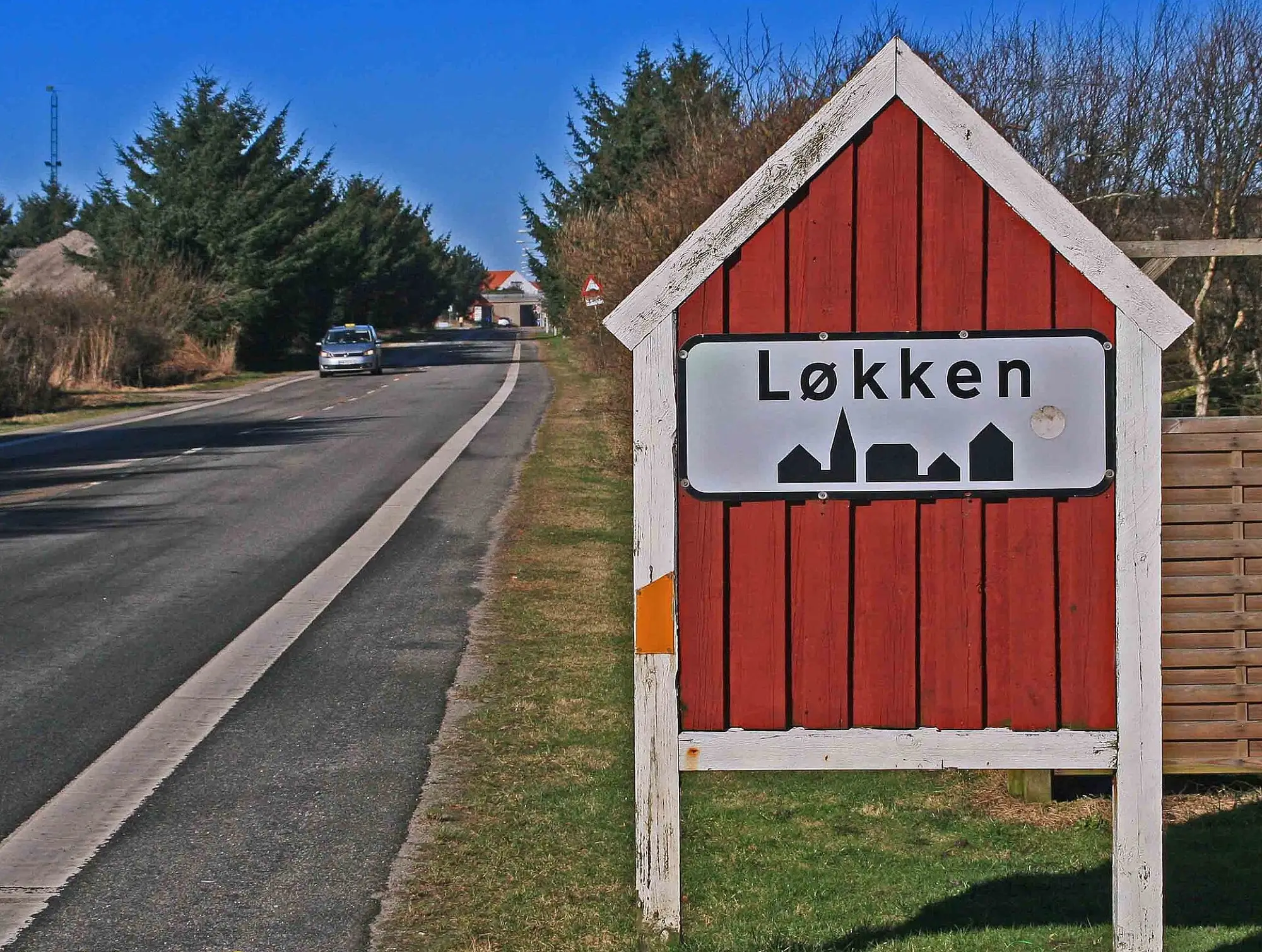

The 25 Danish phrases for travellers are hej, hej hej, godmorgen, tak, ja tak, nej tak, tak when ordering, tak tak, ellers tak, skål, tak for i dag, tak for sidst, tak for en hyggelig aften, hvor bor I hyggeligt, hyg dig, vi ses, i lige måde, hvad er klokken, tillykke med fødselsdagen, nå, pyt, øv, ikk', helt sikkert and nemlig. VisitCopenhagen notes that Danes in general speak English extremely well.
| Phrase | Meaning | When to use it |
|---|---|---|
| Hej | Hello and goodbye | Any greeting or departure |
| Hej hej | Goodbye | Departing; never as hello |
| Godmorgen | Good morning | Before 9:30 am |
| Tak | Thank you | Showing appreciation or politeness |
| Ja tak | Yes, said politely | Accepting an offer politely |
| Nej tak | No, thanks | Declining an offer |
| En cola, tak | A coke, please | Ordering food or drinks |
| Tak tak | That is enough | Stopping someone serving food or drink |
| Ellers tak | Thanks anyway | Declining an offer politely |
| Skål | Cheers | Toasting a drink |
| Tak for i dag | Thank you for today | Leaving work, class or a friend |
| Tak for sidst | Thanks for last time | After an enjoyable evening or night with someone |
| Tak for en hyggelig aften | Thank you and goodbye after an evening | Leaving after dinner or an evening out |
| Hvor bor I hyggeligt | A compliment on a home | Visiting someone's home for the first time |
| Hyg dig | Have a lovely time | Wishing a friend a fun time |
| Vi ses | See you later | Saying goodbye |
| I lige måde | You too / same to you | Replying to a good wish |
| Hvad er klokken | What time is it | Asking for the time |
| Tillykke med fødselsdagen | Happy birthday | Birthday greetings |
| Nå | Oh really? / varied | Showing surprise, realisation or indifference |
| Pyt | It doesn't matter | Saying something does not matter that much |
| Øv | Bummer / oh no | Reacting to small disappointments |
| Ikk' | Isn't it? | Seeking agreement at the end of a sentence |
| Helt sikkert | Definitely | Giving firm agreement |
| Nemlig | That's right | Confirming a statement |
Do you need Danish at all?
According to VisitCopenhagen, Danes in general speak English extremely well, with some also speaking German and French. English is taught in Danish schools from a very early age. VisitCopenhagen also points out that Danish is closely related to both Swedish and Norwegian, and that films and TV programmes in Denmark are broadcast in the original language with Danish subtitles. For broader planning advice, see our practical tips for a trip to Denmark. Studieskolen, a language school with classes at four locations in Copenhagen, has taught languages since 1977.
Pronunciation hints on this page are provided only where Aarhus University has published them; other phrases do not have an official pronunciation guide here.
1. Hej: hello and goodbye
Studieskolen explains that Danish uses the same word, hej, for hello and goodbye. The word comes from the English "hi", and a single hej never goes wrong.
2. Hej hej: goodbye, never hello
Studieskolen states that hej hej also means bye, but it never means hi. Use it only when you are parting ways.
3. Godmorgen: good morning, until 9:30 am
Studieskolen notes that you must not say good morning (godmorgen) after 9:30 am. A late godmorgen tends to be answered with "god formiddag". After 9:30 am, simply say hello.
4. Tak: thank you
Studieskolen states that tak means thank you, and that it is used in many more ways in Danish. The Danish Language Council's official spelling dictionary, Retskrivningsordbogen, lists mange tak, tusind (or tusinde) tak, ja tak, nej tak, selv tak and tak for mad as set phrases under tak.
5. Ja tak: accepting politely
Studieskolen notes that ja means yes, and that tak in general signals politeness. Putting tak after ja when you accept something makes you instantly more polite.
6. Nej tak: no, thank you
Aarhus University gives nej tak as no thanks.
7. En cola, tak: tak as please
Studieskolen explains that tak can mean please. For instance, en cola, tak means "a coke, please".
8. Tak tak: that is enough
Studieskolen notes that tak can mean enough. When someone serves you food or pours you a drink, saying tak tak politely tells them that you have had enough.
9. Ellers tak: thanks anyway
According to Aarhus University, ellers tak means "thanks anyway". It provides a nicer alternative to nej tak, and sounds like "eh - lers - tak".
10. Skål: cheers
VisitDenmark calls skål, cheers, the most important word to learn for a trip to Denmark. VisitDenmark's guide to Danish breweries repeats this advice, using "skål!" for "cheers!". For what to eat, see our guide to Danish food.
11. Tak for i dag: thank you for today
Aarhus University states that tak for i dag means "thank you for today". You say this to thank someone for their time at work or class, or to a friend before you say goodbye. Aarhus University notes that it is pronounced like "tak - for - ee - day".
12. Tak for sidst: thanks for last time
Studieskolen states that after an enjoyable evening or night with someone, you should not say "thanks for tonight", but tak for sidst, meaning "thanks for last time".
13. Tak for en hyggelig aften: thank you and goodbye after an evening
Studieskolen explains that tak for en hyggelig aften is a polite way to say thank you and goodbye to friends and acquaintances, for example after dinner at someone's home or an evening out. VisitDenmark notes that hygge is a Danish word meaning cosiness or togetherness; learn more about the broader concept in our guide to what hygge means in Denmark. Studieskolen adds that in Danish hygge is a noun, the adjective form is hyggelig, and it is also used as a verb, as in "vi hygger os".
14. Hvor bor I hyggeligt: a compliment on a home
Studieskolen states that hvor bor I hyggeligt is a polite compliment to pay when someone invites you into their home for the first time. Most Danes would be happy to hear it.
15. Hyg dig: have a lovely time
Studieskolen notes that hyg dig is a positive wish directed to a friend or acquaintance, meaning you hope they have a fun and lovely time.
16. Vi ses: see you
Aarhus University explains that vi ses means "see you later". According to Aarhus University, it sounds like quickly saying "vee - say - zz".
17. I lige måde: you too
Aarhus University notes that i lige måde means "you too" or "same to you". It is the reply to use when someone wishes you a good day. Aarhus University describes it as probably the hardest phrase on its list to pronounce, sounding like "ee- leeem - ohl", said fast.
18. Hvad er klokken: asking the time
Studieskolen's guide to telling the time uses the phrase "Hvad er klokken?" to ask what time it is. Studieskolen points out that Danes count the half hour towards the next hour. Because of this, 7.30 is "half 8", and at 8:30 you say "halv ni".
19. Tillykke med fødselsdagen: happy birthday
Studieskolen gives the birthday greeting as "tillykke med fødselsdagen! jeg håber, du får en rigtig dejlig dag", which translates to happy birthday, I hope you have a lovely day.
20. Nå: one word, many meanings
Studieskolen explains that nå can show surprise, that you have realised something, a change of subject or indifference, with the speaker's tone of voice telling these meanings apart. Aarhus University notes that nå has no real English equivalent, can be used like saying "oh really?", and is pronounced sort of like "n - awwww".
21. Pyt: it doesn't matter
Studieskolen notes that pyt means something does not matter that much. Danes chose pyt as their favourite word in 2018.
22. Øv: bummer
Studieskolen states that øv means "bummer", "too bad" or "oh no". It is reserved for minor disappointments only, such as cancelled dinner plans or bad weather.
23. Ikk': isn't it?
Studieskolen explains that adding ikk' at the end of a sentence invites agreement from the listener, as in "det er dejligt vejr, ikk'?" (the weather is lovely, isn't it?).
24. Helt sikkert: definitely
Studieskolen points out that helt sikkert means definitely. In contrast, using sikkert on its own means probably, so you must not mix them up.
25. Nemlig: that's right
Studieskolen states that nemlig can mean "that's right" or "you're right", depending on the context in which it is used.
The three extra letters
VisitDenmark notes that Danish is a Germanic language with three special letters placed at the end of the alphabet: æ, ø and å. The letter å can also be written as aa, which explains why several Danish city names, such as Aalborg and Aarhus, begin with those letters.