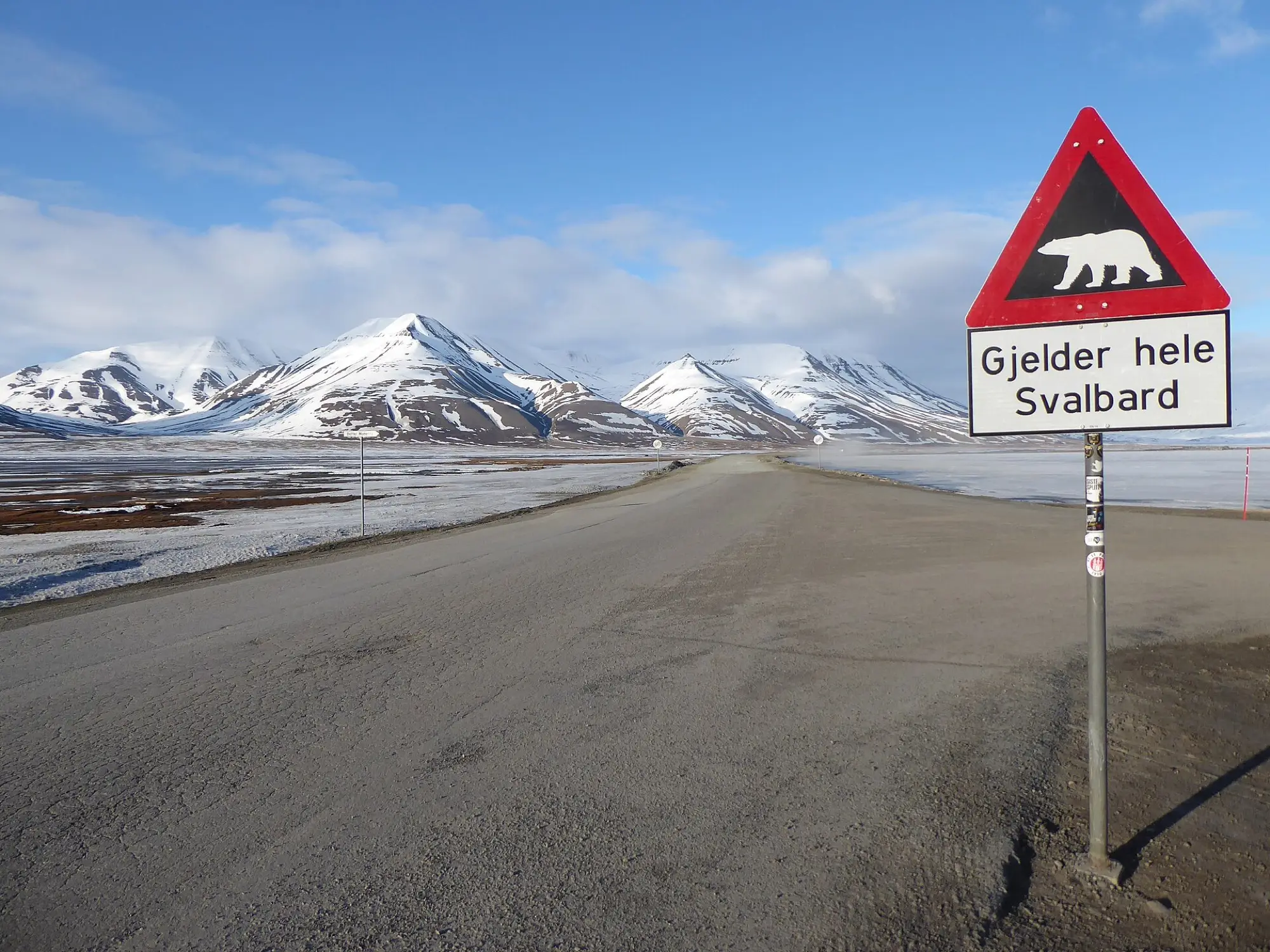

On crime, Norway is safe, with the one risk visitors meet being petty theft in crowded parts of Oslo. The risks that actually hurt visitors come from nature and winter: weather that turns fast in the mountains, avalanches, icy roads, cold water, and polar bears on Svalbard. You call 112 for police or 113 for an ambulance, and you check yr.no for weather warnings and varsom.no for avalanche forecasts.
The short answer - crime is low, and here are the figures
Statistics Norway (SSB) counted 348,508 offences reported to the police in Norway in 2025, in figures published on 10 June 2026. Statistics Norway calculates these rates per 1,000 inhabitants, using the population on 1 January of the year, and counts them by where the offence took place.
Across the whole country, 60.6 offences were reported per 1,000 population in 2025. This included 19.6 property thefts and 8.4 offences of violence and maltreatment per 1,000. In Oslo, the figure for 2025 was 103.0 reported offences per 1,000 population, including 43.0 property thefts and 13.0 offences of violence and maltreatment per 1,000. Visit Oslo calls Oslo a safe city with a relatively low crime rate. Alongside personal safety, visitors also ask is Norway expensive before their first trip.
Pickpockets and petty theft in Oslo
The UK advice says there is a small risk of petty theft, particularly at airports and railway stations in and around Oslo. Visit Oslo recommends taking measures against pickpockets, especially in big crowds, at popular tourist spots and at busy public transport stations near the city centre. Keep an eye on your belongings when visiting things to do in Oslo.
Theft from the person was reported 32,243 times across Norway in 2025, against 32,761 in 2024. Of those incidents in 2025, 6,156 thefts from the person took place on public transport.
What the UK Foreign Office says about Norway
The UK Foreign Office's travel advice for Norway was last updated on 25 August 2026. The UK advice opens with the reminder that no travel can be guaranteed safe, and asks travellers to get insurance that covers their itinerary and planned activities.
The UK advice says terrorist attacks in Norway cannot be ruled out. Demonstrations in Norway are usually peaceful; if you are near one, follow the local authorities and move away if there are signs of disorder. Illegal drugs, including cannabis, carry severe penalties, including when transiting through the airport. Nearly half of Norway is inside the Arctic Circle, including very remote land and sea, where emergency medical help and search and rescue are limited.
Emergency numbers and seeing a doctor
The emergency numbers in Norway are 110 for fire, 112 for police and 113 for an ambulance.
Call 113, free, after an accident or a serious incident where you need emergency medical help, and always for symptoms such as chest pain lasting more than five minutes or sudden facial or arm paralysis.
For a doctor out of hours, call 116 117, free, at any time. It puts you through to the local out-of-hours medical centre (legevakt), and every municipality has one open 24 hours a day. The out-of-hours service is also for people who are away from their own doctor, for example on holiday or travelling. It is worth calling before going in, because advice over the phone is often enough.
In the mountains, the mountain code reminds you that a mobile phone may have no coverage. After an accident, notify the police on 112, go for help or raise the alarm some other way.
Weather - the cold, and the yellow, orange and red warnings
The UK advice says the weather can change quickly, producing Arctic conditions even in summer on exposed mountain tops. Winter is long and can last well into April. Temperatures can drop to -25 °C and below, with a high wind chill in exposed areas and mountains. If you are still choosing a season, see the best time to visit Norway.
The Norwegian Meteorological Institute (MET) issues weather warnings in three colours, which are published on yr.no:
- Yellow: be aware, the situation is challenging. On a yellow warning most people carry on as normal, but anyone travelling in the area should be cautious and reconsider their plans. Wind, for example, can make the mountains hazardous.
- Orange: be prepared, it is serious. An orange warning means a real risk to life and property, closed roads and cancelled boats and flights. Assess carefully whether your plans are safe in the area.
- Red: take immediate action, it is extreme. A red warning means a significant risk of loss of life, and most people should limit travel in the affected areas.
Warnings usually come up to two days ahead, never more than five days ahead, and can be raised or lowered as the forecast changes.
The mountains - the Norwegian mountain code
The Norwegian mountain code (Fjellvettreglene), from the Norwegian Trekking Association (DNT) and the Red Cross, has nine rules: plan your trip and say where you are going; adapt it to ability and conditions; heed weather and avalanche forecasts; be ready for bad weather and cold even on short trips; carry kit to help yourself and others; choose safe routes and recognise avalanche terrain and unsafe ice; use map and compass; turn back in time; save your strength and seek shelter.
The code was first brought in after a series of accidents and deaths at Easter 1950, and the Red Cross and DNT have since revised it for all seasons. Read more about staying in DNT cabins.
Tell someone where you are going and when you expect to be back, whether or not you will have mobile coverage. Hiking with others is safer; if you hike alone, be extra careful, and do not set out on a long trip without experience. Rethink the plan as you go and switch to plan B long before you are exhausted. On a winter trip, carry a wind shelter (vindsekk), sleeping mat, sleeping bag and shovel so you could survive an unplanned night out, plus a reflective vest or headlamp to help rescuers find you.
The same rules apply on the famous Norway hikes. At Trolltunga the summer season runs from 1 June to 30 September and the winter season from 1 October to 31 May. In the winter season Trolltunga's own site strongly recommends hiking there only with an experienced, professional guide, because winter conditions need extra preparation, proper equipment and experience.
Avalanches and the varsom.no warnings
The UK advice points travellers to the Norwegian Avalanche Warning Service for the avalanche risk. The service publishes avalanche warnings at varsom.no before 4 p.m. every day from 1 December to 31 May, by region, from the far south of Norway up to Svalbard.
The danger scale has five levels: 1 low, 2 moderate, 3 considerable, 4 high and 5 very high. At level 3, considerable, triggering is possible even from a low additional load, such as a single skier or snowshoer, on the steep slopes the warning names. Varsom says a warning is a planning tool, regional and based on forecasts, that may differ from the real situation, so always make your own evaluation.
The mountain code says avalanches can release on slopes higher than 5 metres and steeper than 30 degrees, can run three times as far as the height of the slope, and can be triggered from flat ground below a mountainside. In avalanche terrain always carry an avalanche transceiver, a probe and a shovel.
Driving in winter - tyres, ice and the rules
The tyre rules depend on the date and the region:
- In winter, from 1 November to the first Sunday after Easter Monday, tyres must have a tread of at least 3 mm.
- In Nordland, Troms and Finnmark the 3 mm rule and the studded-tyre season run from 16 October to 30 April.
- You cannot use summer tyres on winter roads, and winter tyres or chains are required outside those dates too whenever the road needs them; the driver is responsible for enough grip.
- If a car has studded tyres, all four wheels must have them.
Drink-driving is a serious offence. The UK advice warns that a quarter of England's legal alcohol limit can bring a fine and possible prison, and roadside alcohol checks are frequent. A driving offence can bring an on-the-spot fine of up to NOK 10,000. Keep dipped headlights on in daytime all year, and on roads without a yellow diamond priority sign give way to traffic from the right.
Northern Norway's tourist board says many rural roads are narrow, often with no centre line and a sharp edge, and the most common accident in the north is simply driving off the road. Ice lengthens stopping distances and roads are especially slippery when the temperature hovers around zero; try a gentle brake early to feel the grip. Never stop in the middle of the road or on a bend for a photo or the northern lights; use a lay-by, wear a reflective vest or bright clothing, and watch for animals on the road. These precautions apply if you drive in Lofoten in winter.
The road authority's live traffic information, at vegvesen.no/trafikk and in its app, shows roads closed by snow, closed tunnels and very slippery roads. If you have little experience of winter driving, consider public transport, a taxi or a car with a driver instead.
Cold water, jetties and ice
The Norwegian Society for Sea Rescue (Redningsselskapet) counted 49 drowning deaths in Norway in 2025, nearly half the 95 of 2024. By the end of October 2026, 75 people had drowned in Norway that year, nine of them in October.
Rain, frost and ice make jetties, quays and smooth shore rocks slippery in late autumn and winter, and a fall into cold water can cause cold shock that makes it hard to control your breathing and stay afloat, even for good swimmers. Redningsselskapet recommends wearing a buoyancy aid even for a quick trip out on the jetty, ideally with someone else there. On frozen lakes, watch the ice on regulated (hydropower) lakes and near inlets and outlets.
Svalbard - polar bears and leaving town
For Svalbard, the UK advice says to follow the Governor of Svalbard's safety advice, including on protecting yourself from polar bears, glaciers and avalanches outside Longyearbyen. Because of polar bears, anyone travelling outside the settlements on Svalbard must carry suitable means of scaring them off, and the Governor also recommends carrying a firearm. Carrying a loaded firearm in the settlement area of Longyearbyen is forbidden, and firearms may not be taken into shops or public buildings.
Inside a zone of Longyearbyen marked red on the town map you need no polar bear protection; a free copy of the map is at the tourist information office. Visit Svalbard says not to leave the settlements without a professional guide from a local activity provider. Guides outside Longyearbyen's town limits always carry polar bear protection.
To travel across large parts of Svalbard you must apply to or notify the Governor, and motor traffic off established roads is basically prohibited. Longyearbyen has only a small hospital for emergencies, the European Health Insurance Card does not apply on Svalbard, and patients needing more care are moved to mainland Norway. Standard travel insurance usually does not cover search and rescue; local tour operators include search and rescue insurance in their prices.